Enhancing the Library Experience - Study Disco
Enhancing the Library Experience - Study Disco
Project Details
Project Details
Screens Designed :
Screens Designed :
20+
20+
Duration :
Duration :
(6 weeks)
(6 weeks)
Prototype :
Prototype :
View prototype
View prototype
Tools :
Tools :
Figma, Adobe Illustration, Adobe Photoshop
Figma, Illustration,
Photoshop
Team Members :
Team Members :

Hannah Aldridge
Hannah Aldridge
Student
Student

Sun Chong
Sun Chong
Student
Student

Jordan Putnam
Jordan Putnam
Student
Student

Rucha Patel
Rucha Patel
Student
Student
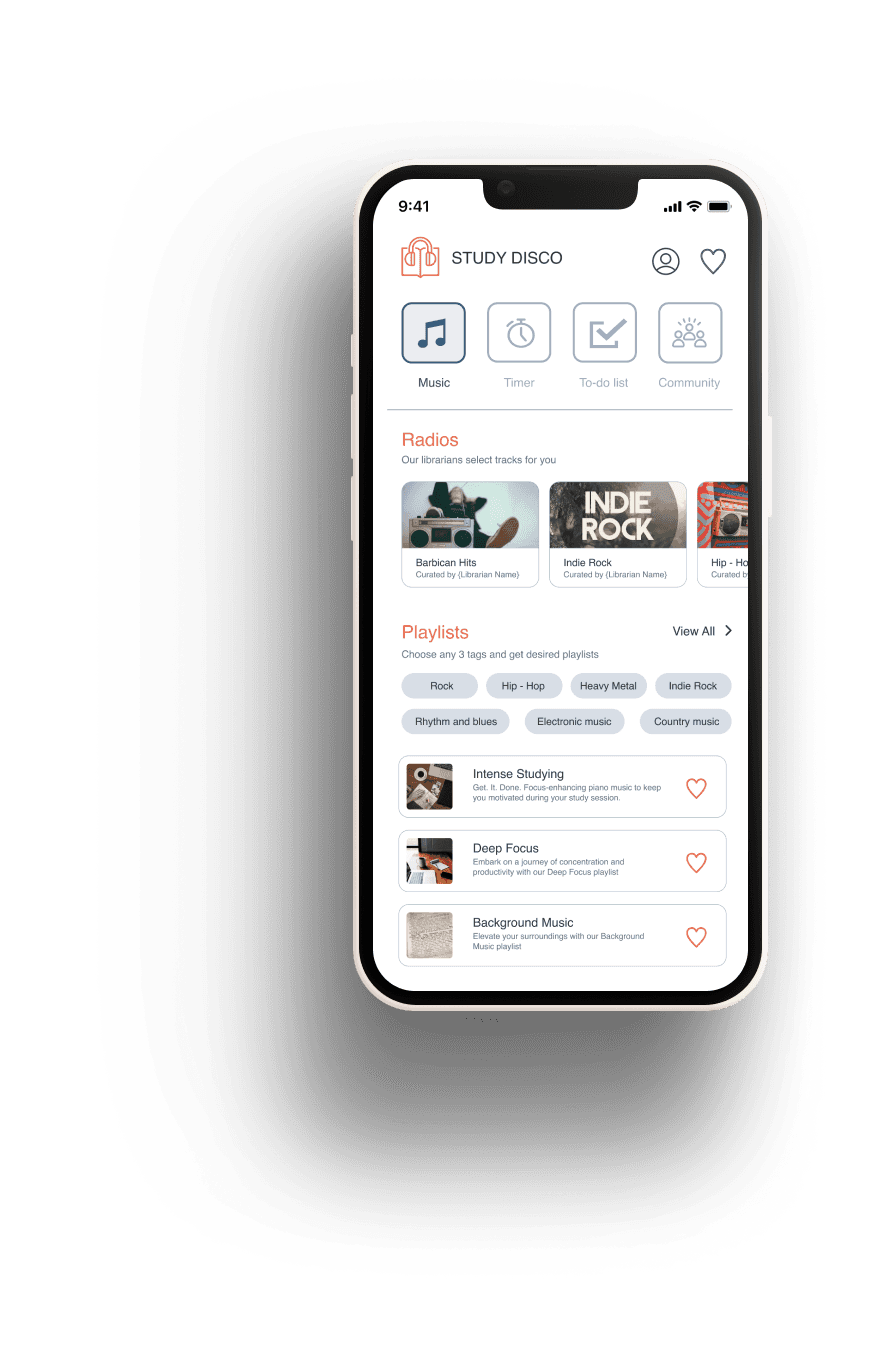
Our brief at "City, University of London" as a part of the "Interaction Design" coursework was to design a digital technology that provides an interactive way for visitors to engage with the library, facilitating and encouraging user participation. In response, we created Study Disco. Through Study Disco, users can listen to music from the library's collection on their devices while they read, work or study in the library. Its features allow users to access a unique aspect of the Barbican library’s collection while encouraging them to focus.
Study Disco is designed for users who come to the library seeking a peaceful environment in which to work, study or read. Their primary goal is not to explore the library’s collection but to enjoy the space itself. However, the library can be busy, and its range of activities can create background noise, which can detract from the peaceful atmosphere. Study Disco offers library visitors who want to concentrate with a tool that will drown out background noise, help them focus, and discover the library’s music collection.
Our brief at "City, University of London" as a part of the "Interaction Design" coursework was to design a digital technology that provides an interactive way for visitors to engage with the library, facilitating and encouraging user participation. In response, we created Study Disco. Through Study Disco, users can listen to music from the library's collection on their devices while they read, work or study in the library. Its features allow users to access a unique aspect of the Barbican library’s collection while encouraging them to focus.
Study Disco is designed for users who come to the library seeking a peaceful environment in which to work, study or read. Their primary goal is not to explore the library’s collection but to enjoy the space itself. However, the library can be busy, and its range of activities can create background noise, which can detract from the peaceful atmosphere. Study Disco offers library visitors who want to concentrate with a tool that will drown out background noise, help them focus, and discover the library’s music collection.
User Research
User Research
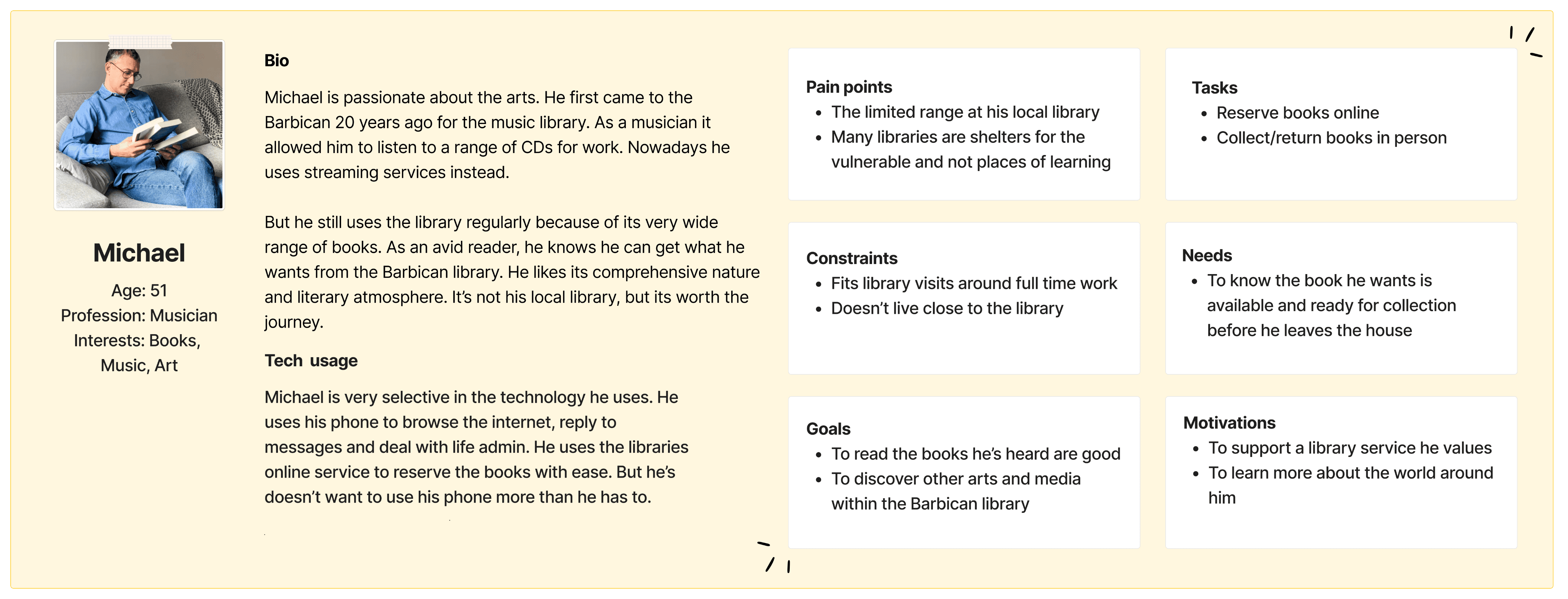
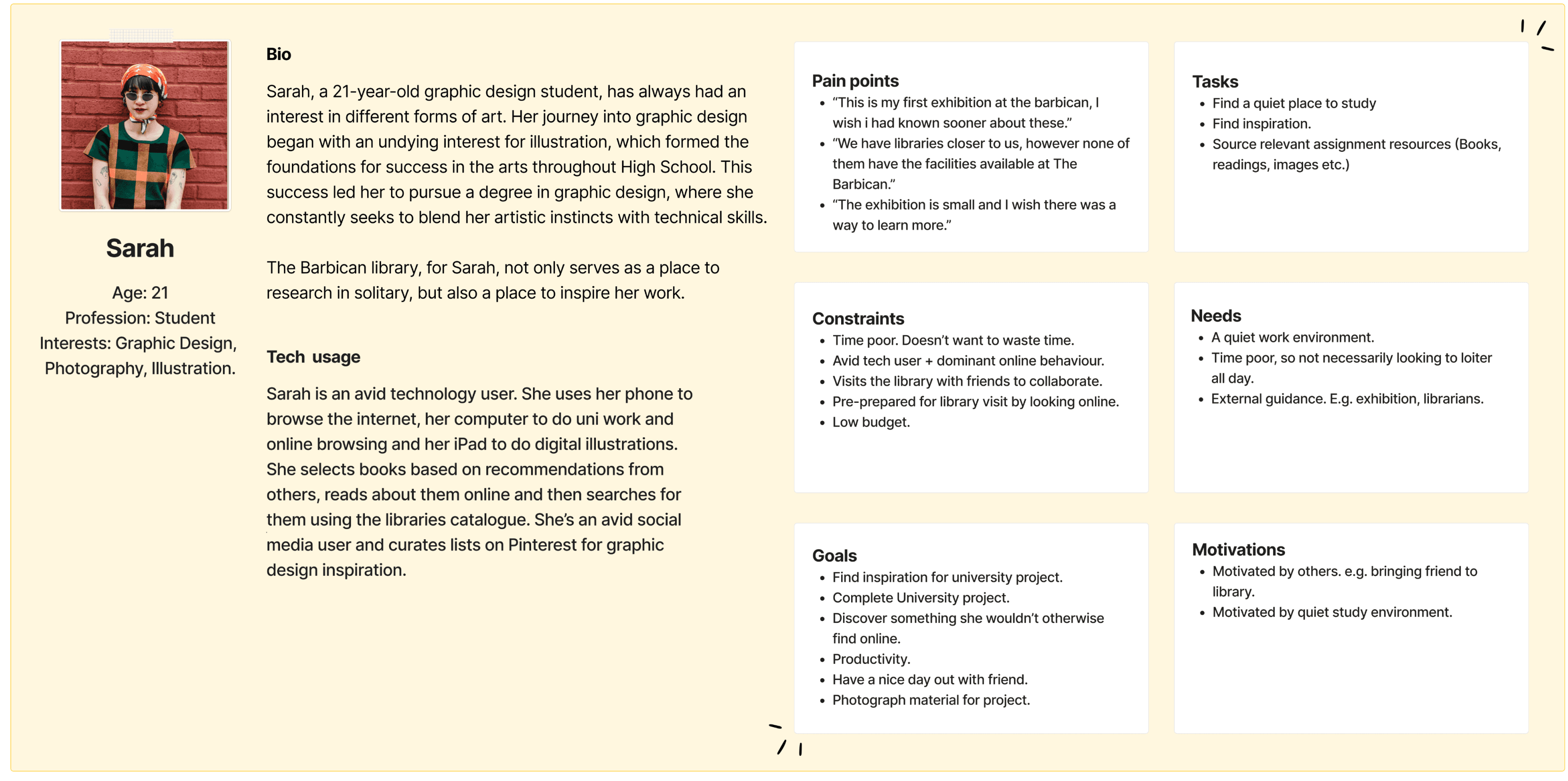
We gathered user insights through interviews and observations, as these were the most feasible within the timeframe and also complimentary. Observations allowed us to gather high-level information about large numbers of library visitors and their actions, while interviews allowed us to gather in-depth insights from a smaller sample of users and their thoughts.
We gathered user insights through interviews and observations, as these were the most feasible within the timeframe and also complimentary. Observations allowed us to gather high-level information about large numbers of library visitors and their actions, while interviews allowed us to gather in-depth insights from a smaller sample of users and their thoughts.
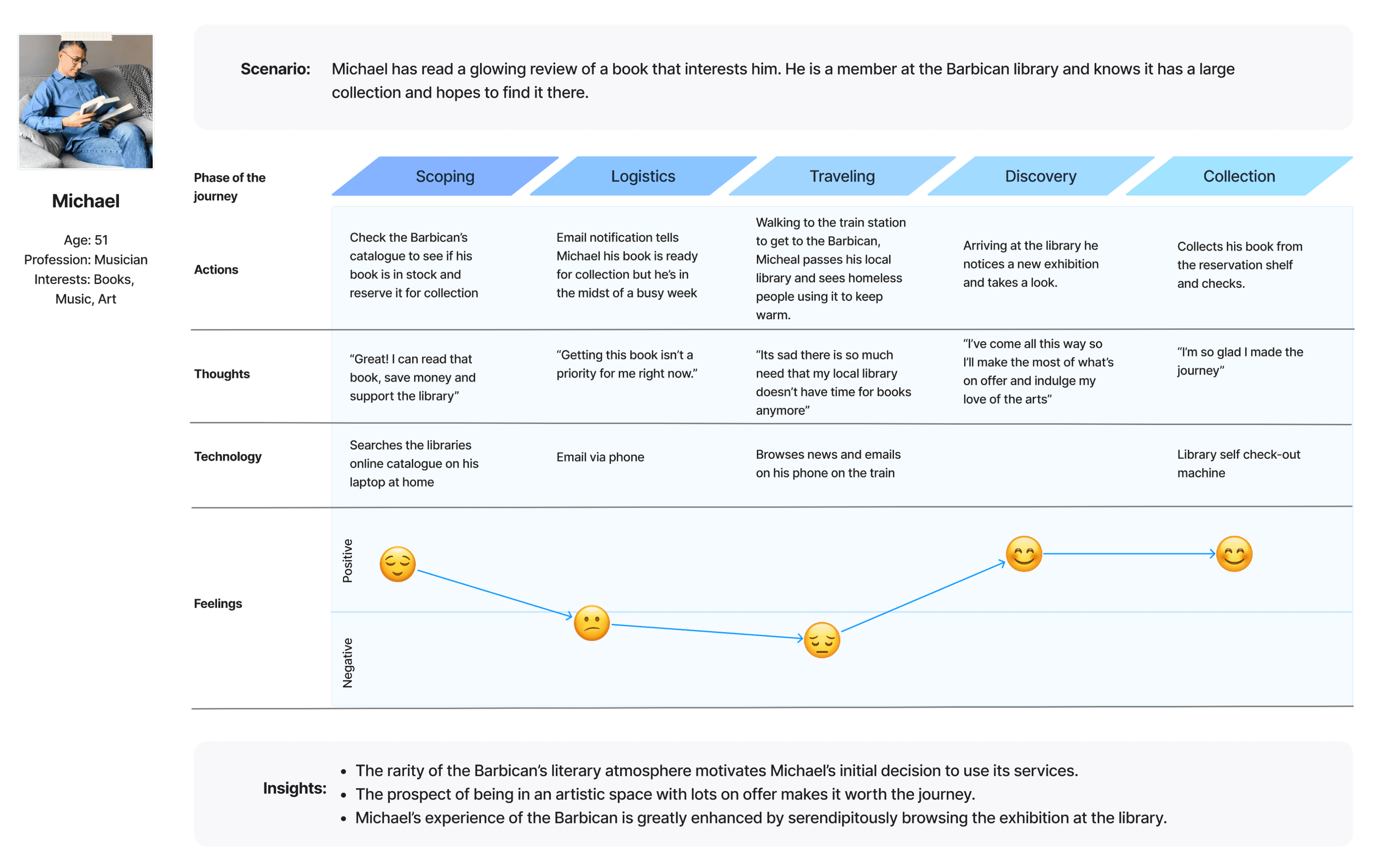
User Journey Map
User Journey Map
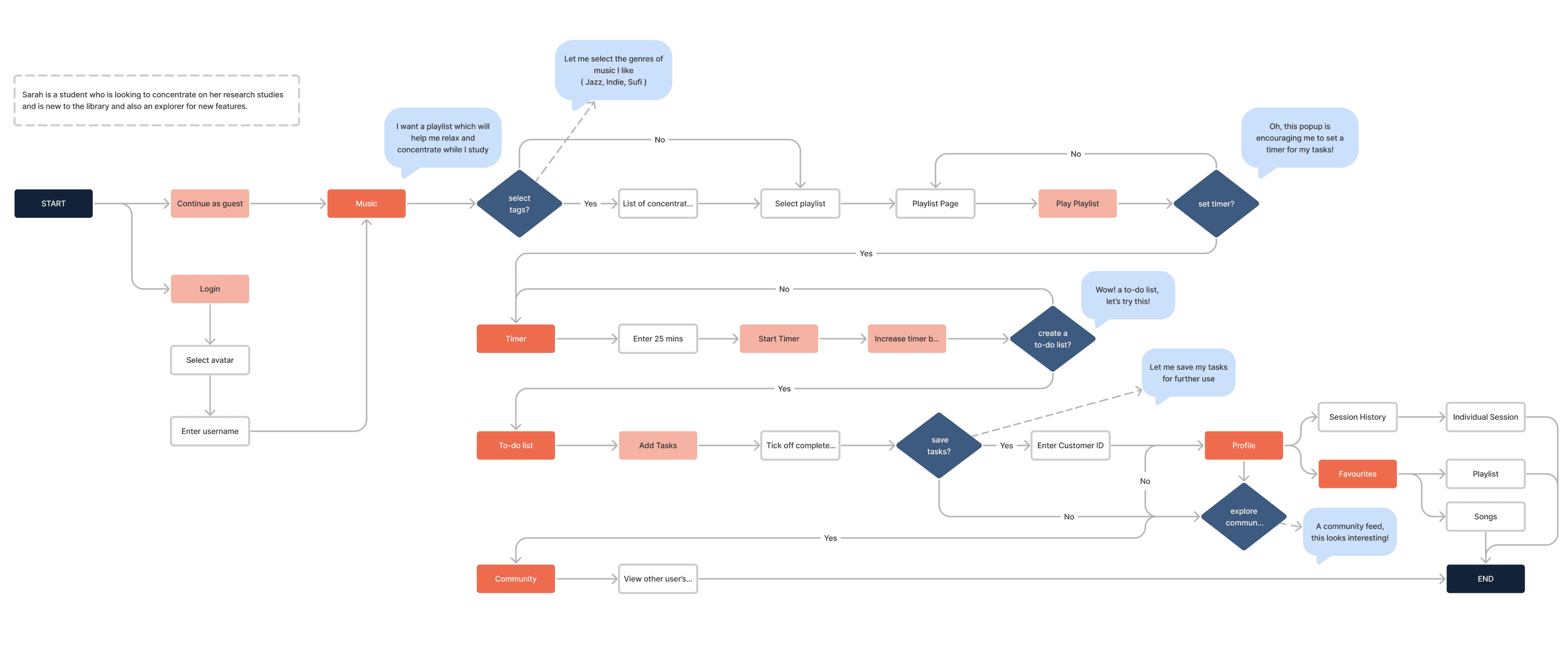
User Journey for Sarah
User Journey for Sarah
Sarah is a student who is looking to concentrate on her research studies and is new to the library and is also an explorer for new features.
Sarah is a student who is looking to concentrate on her research studies and is new to the library and is also an explorer for new features.
Wireframes
Wireframes
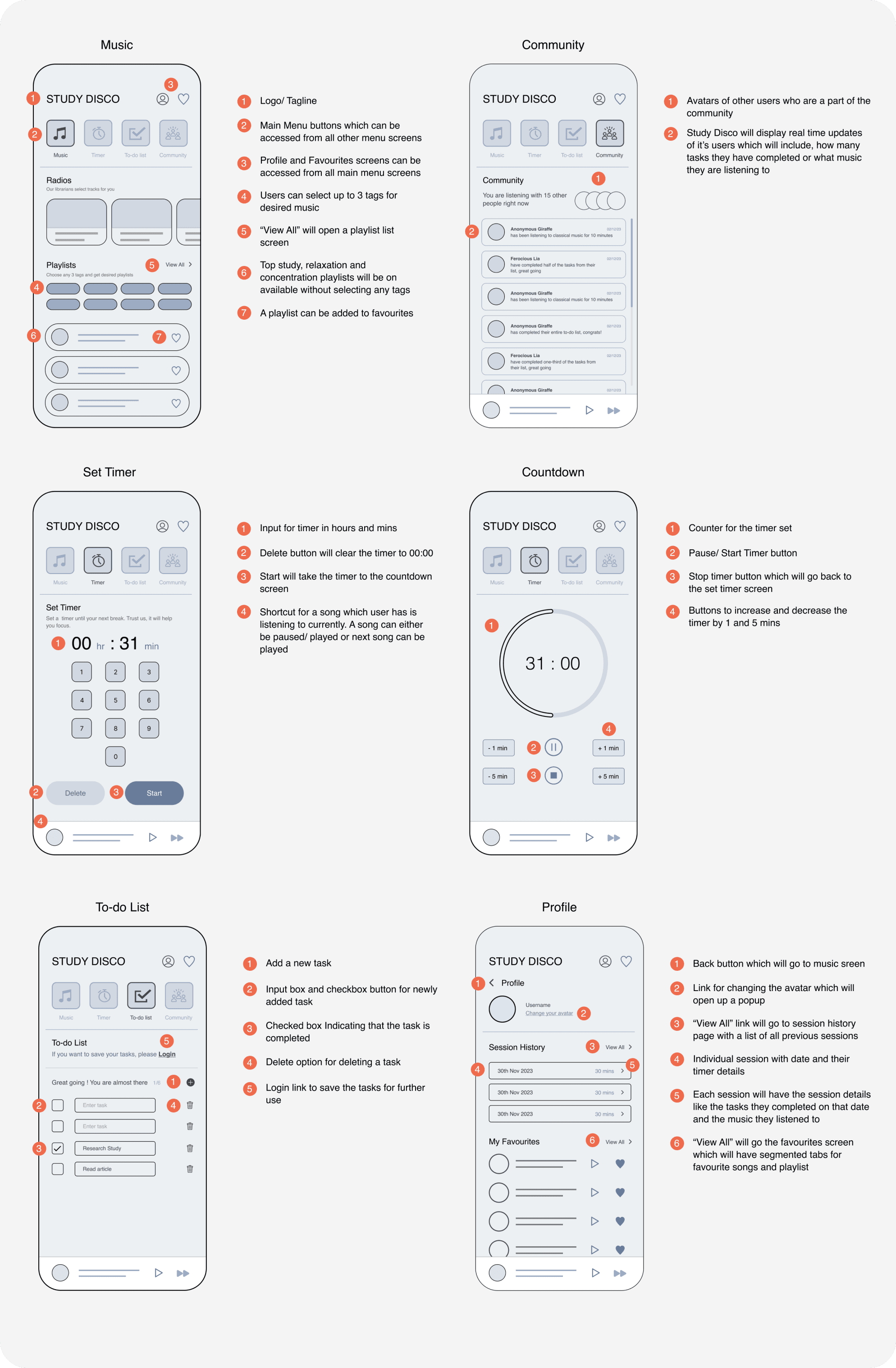
The wireframes laid a solid foundation for the development of a user-friendly and efficient library app, enhancing the overall user experience.
The wireframes laid a solid foundation for the development of a user-friendly and efficient library app, enhancing the overall user experience.
Screens
Screens
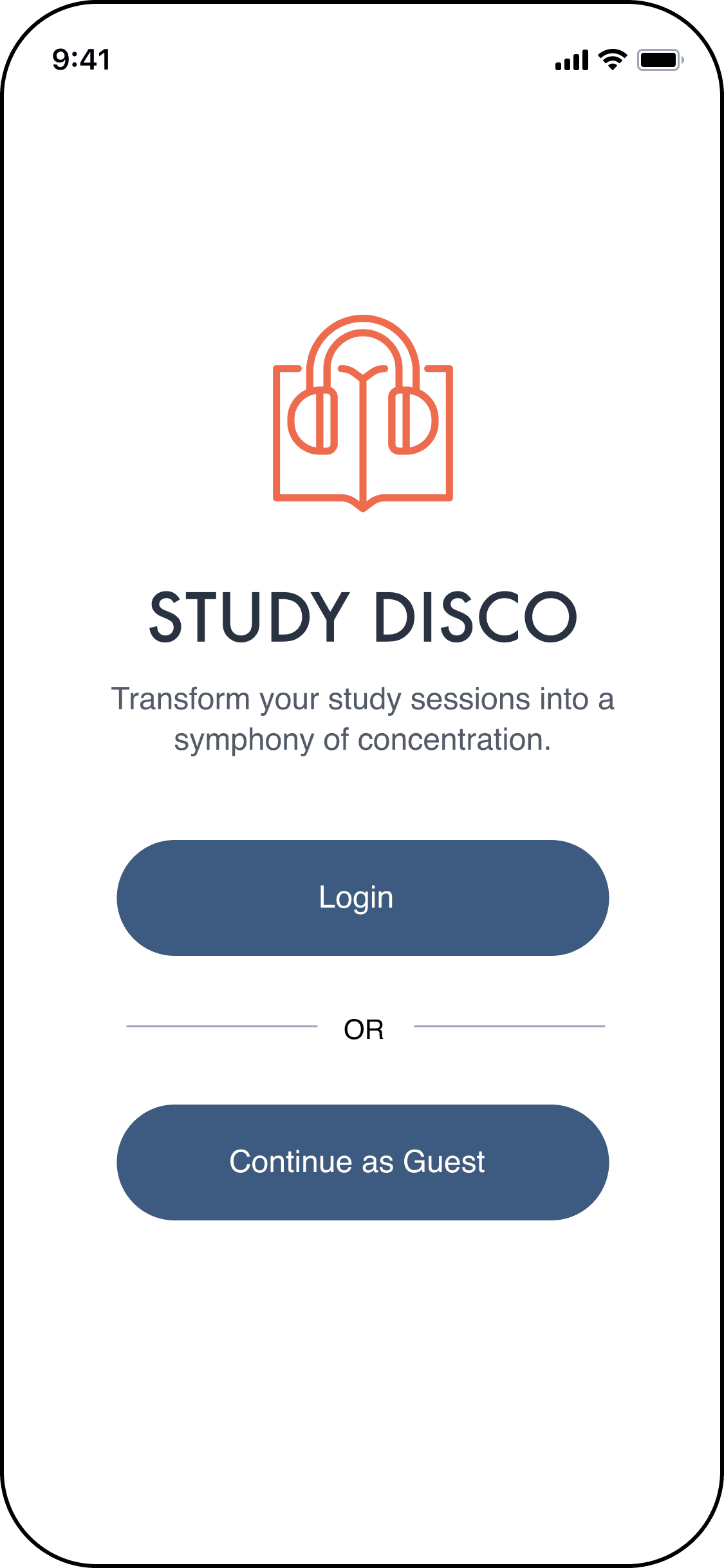
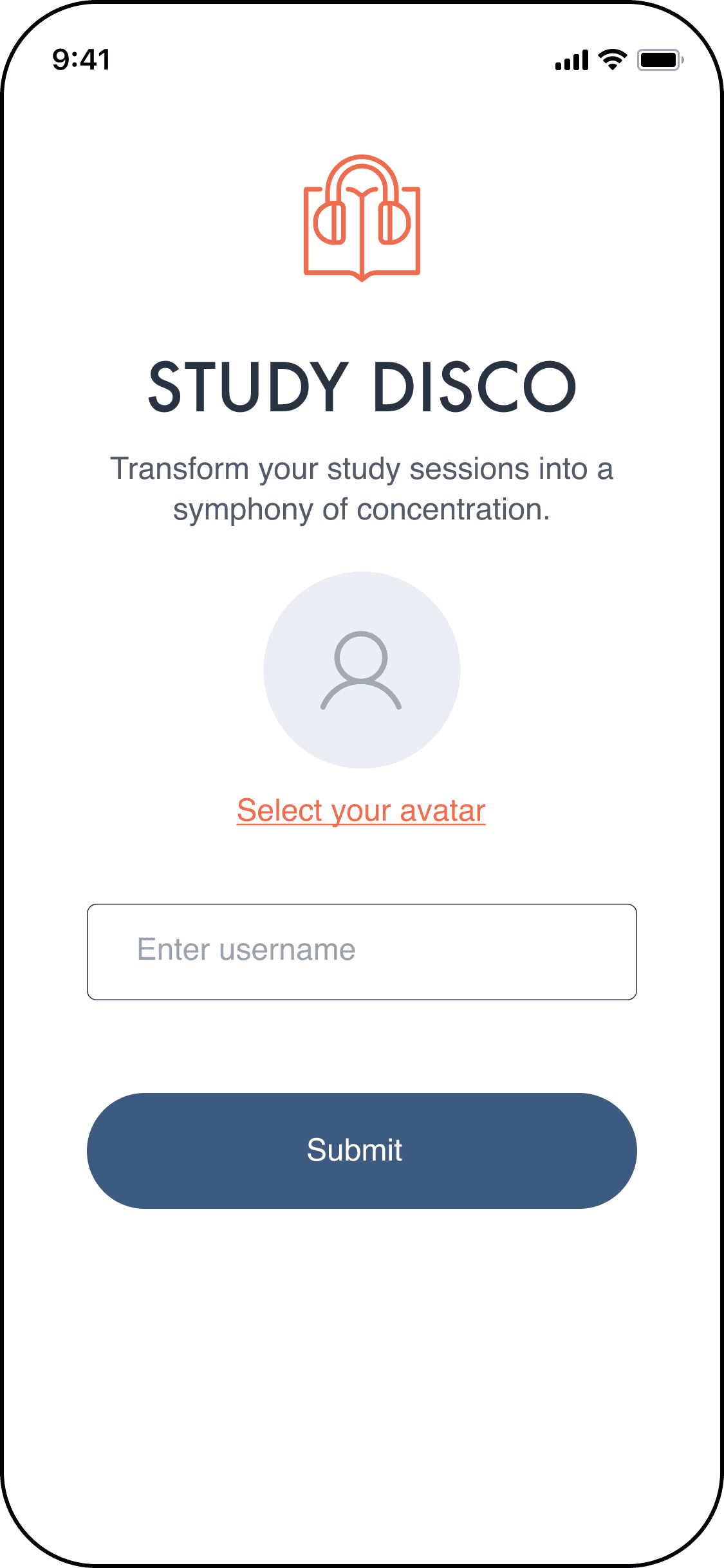
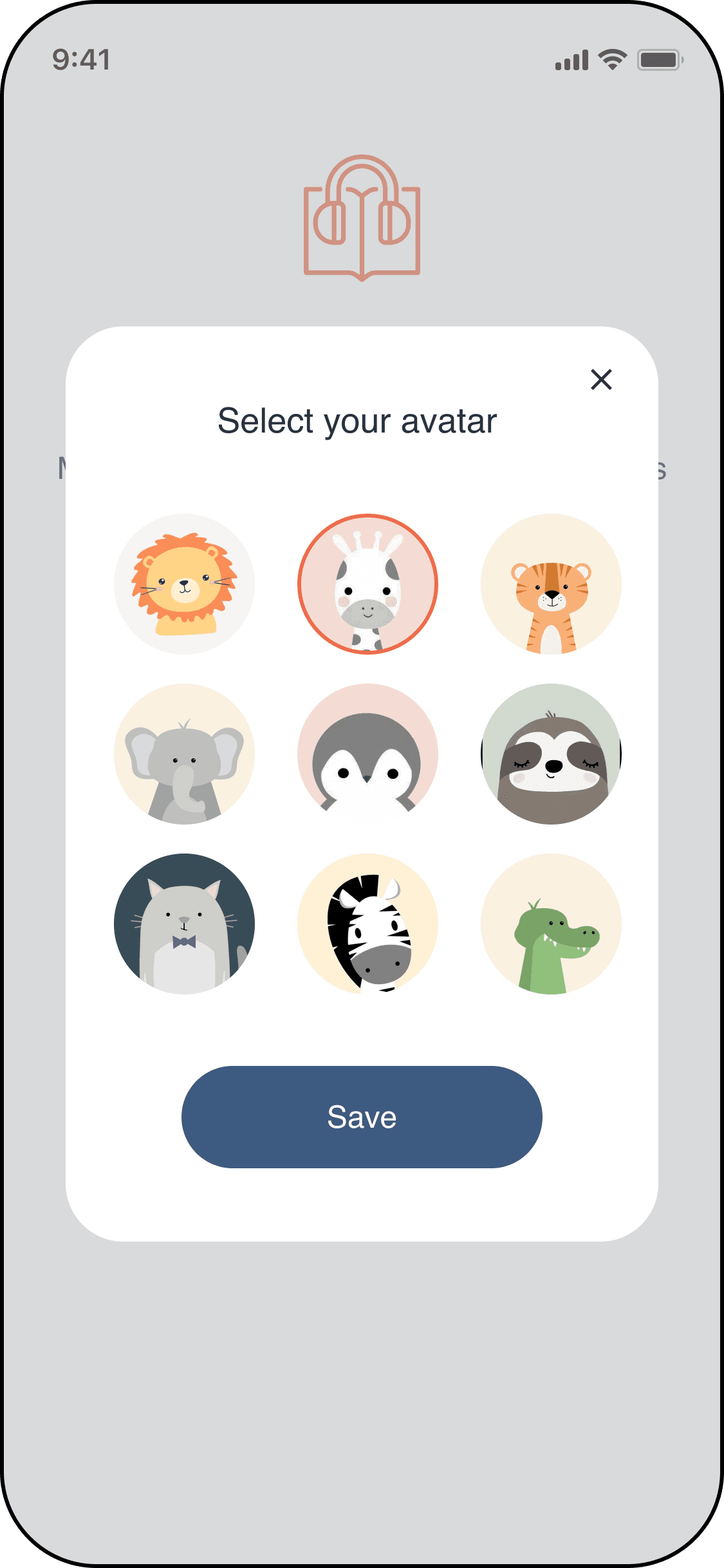
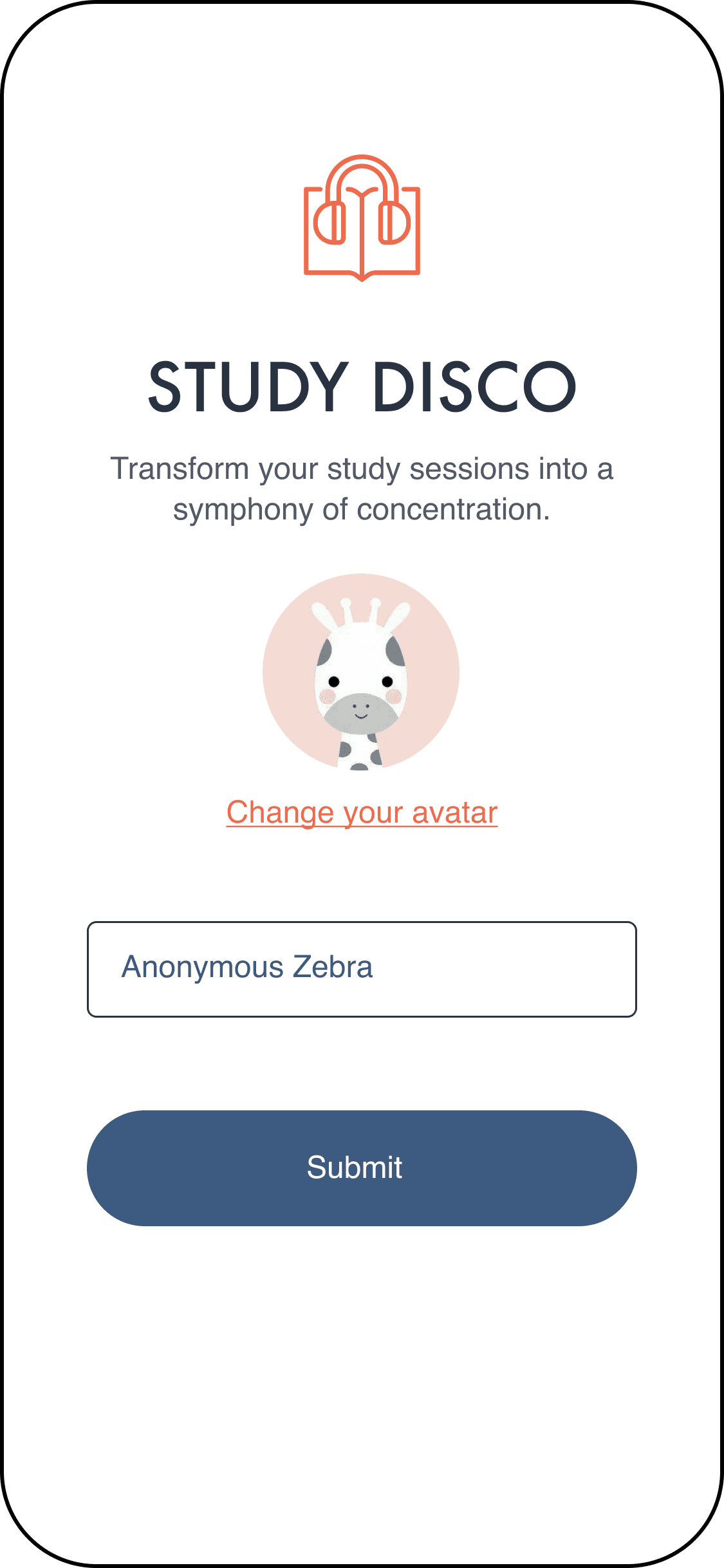
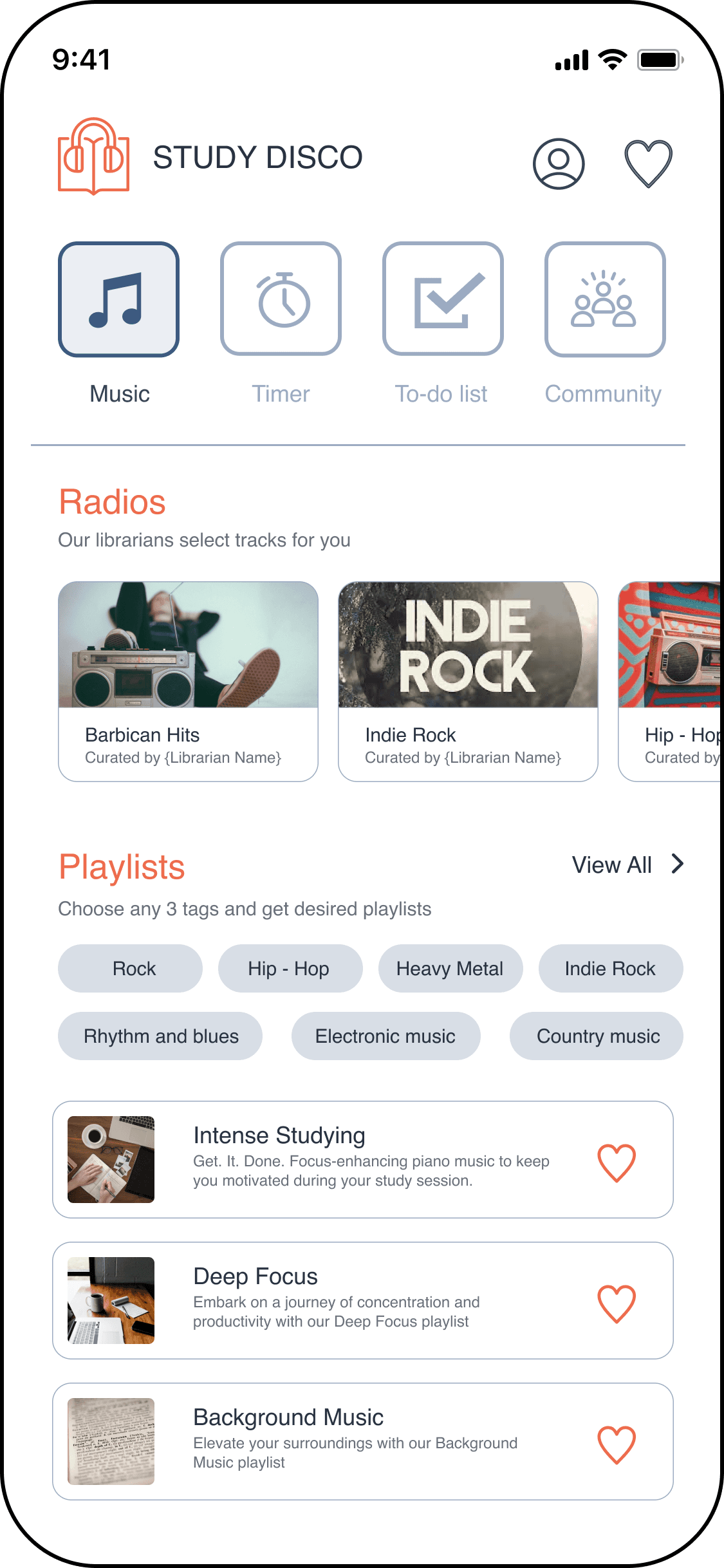
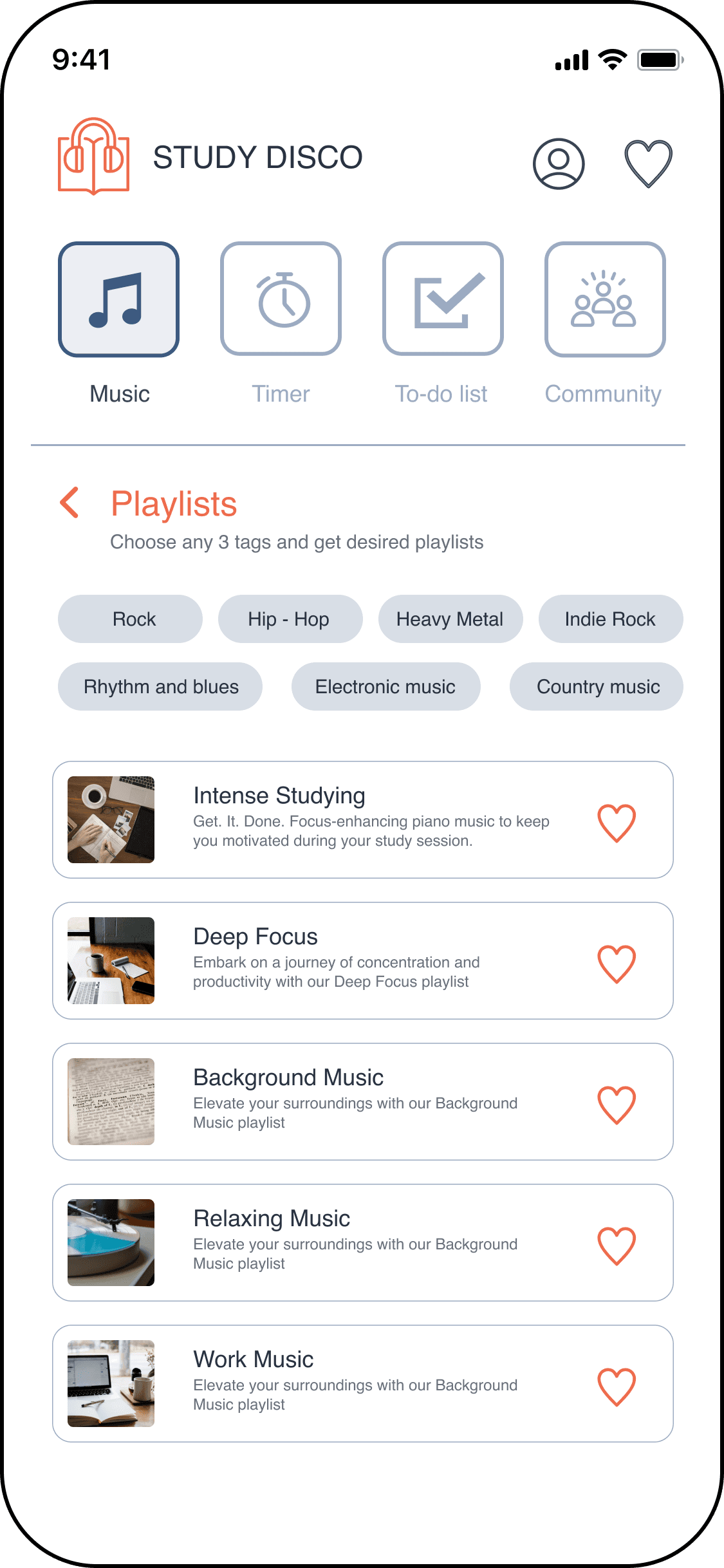
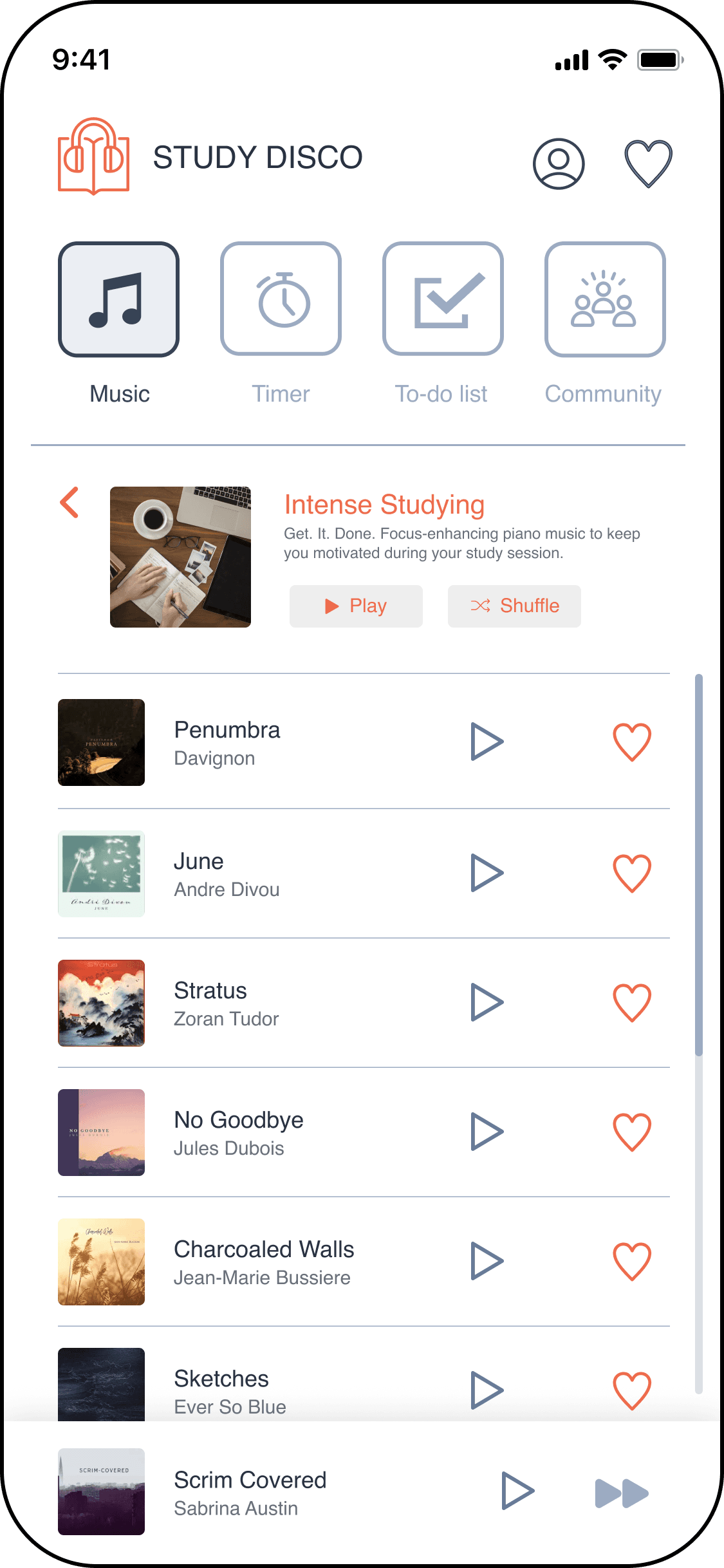
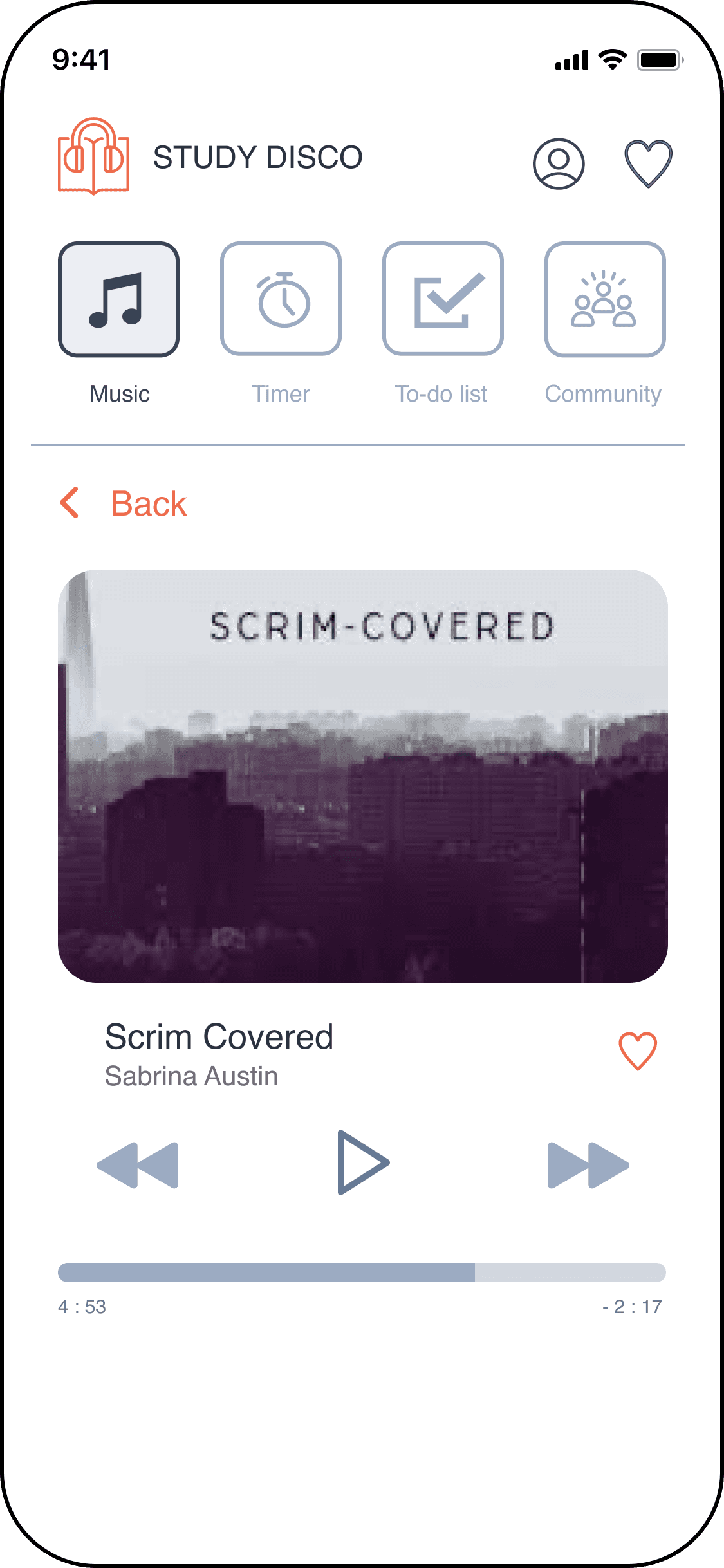
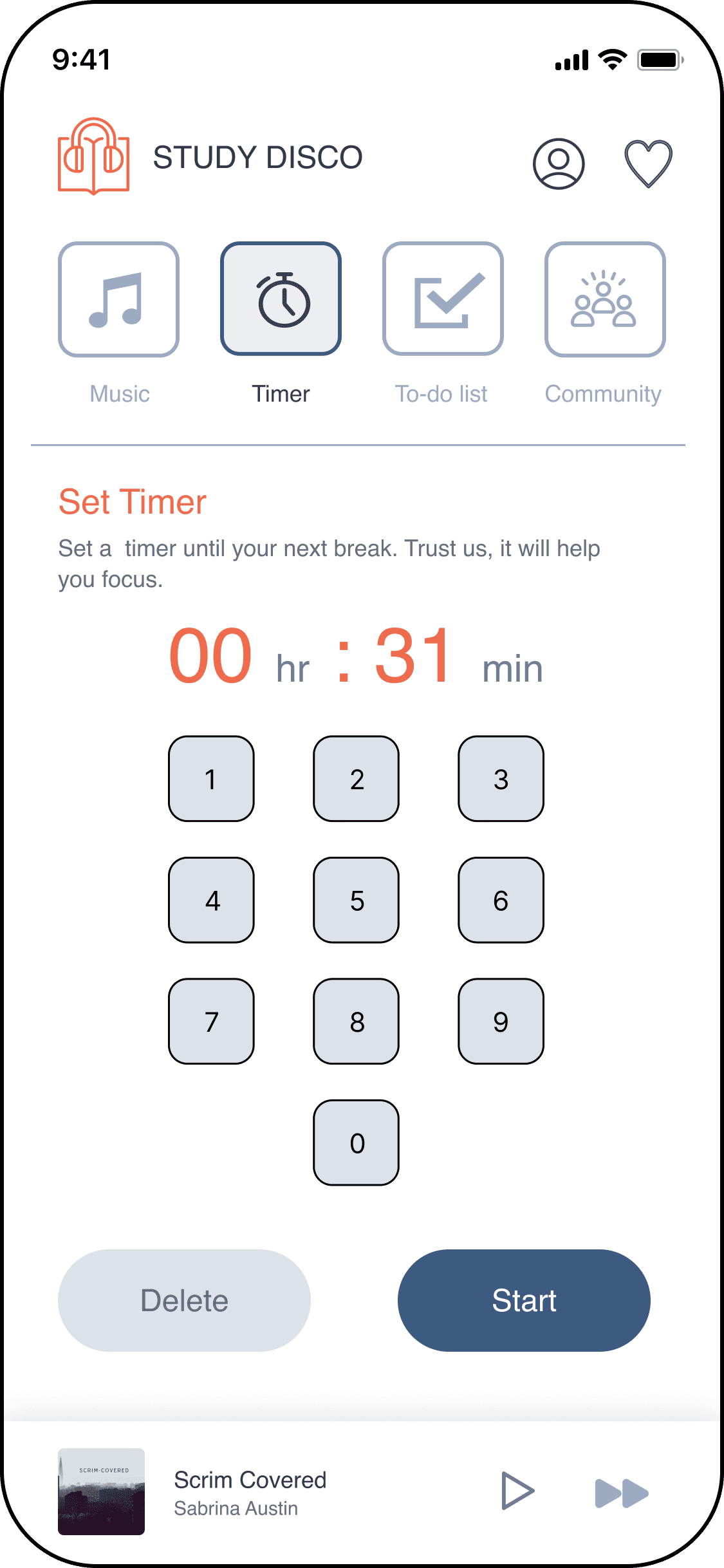
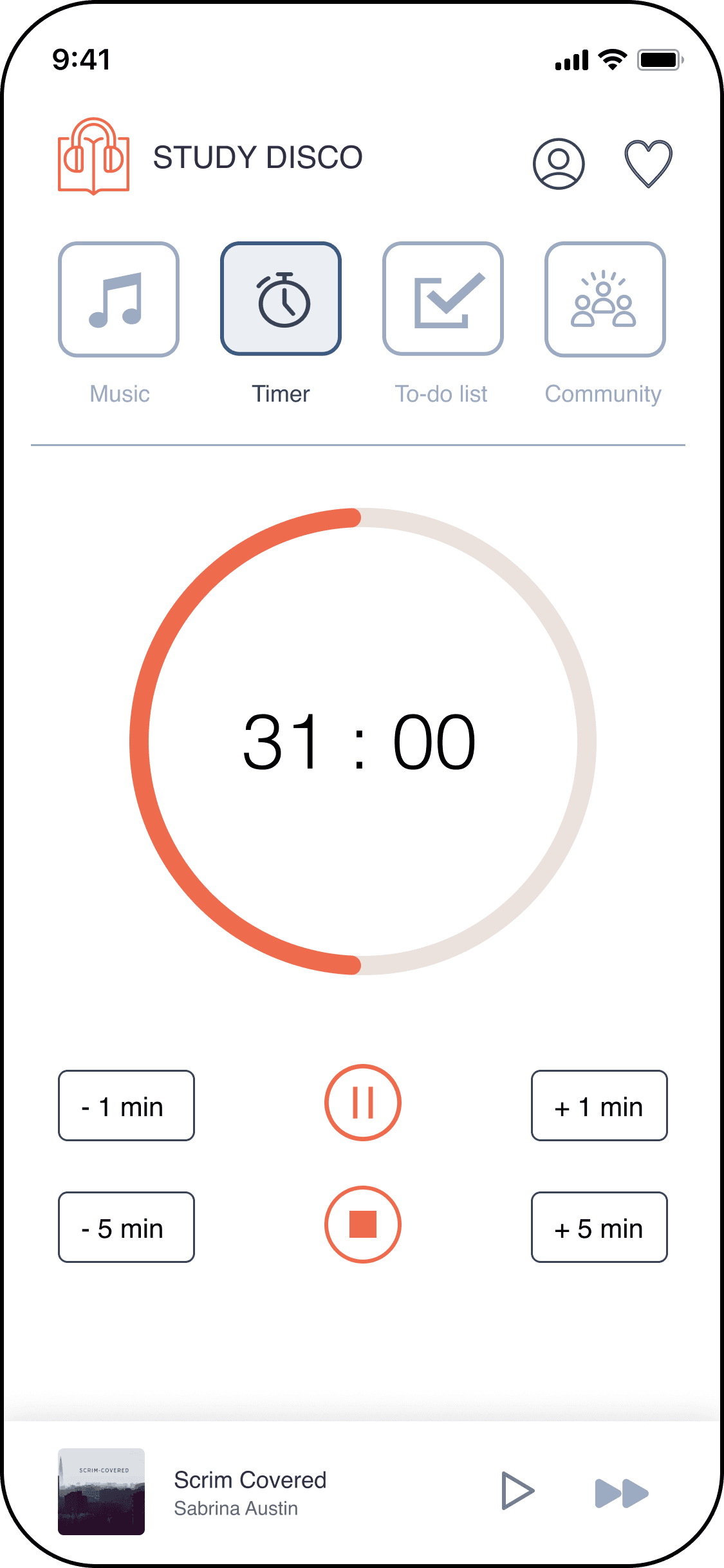
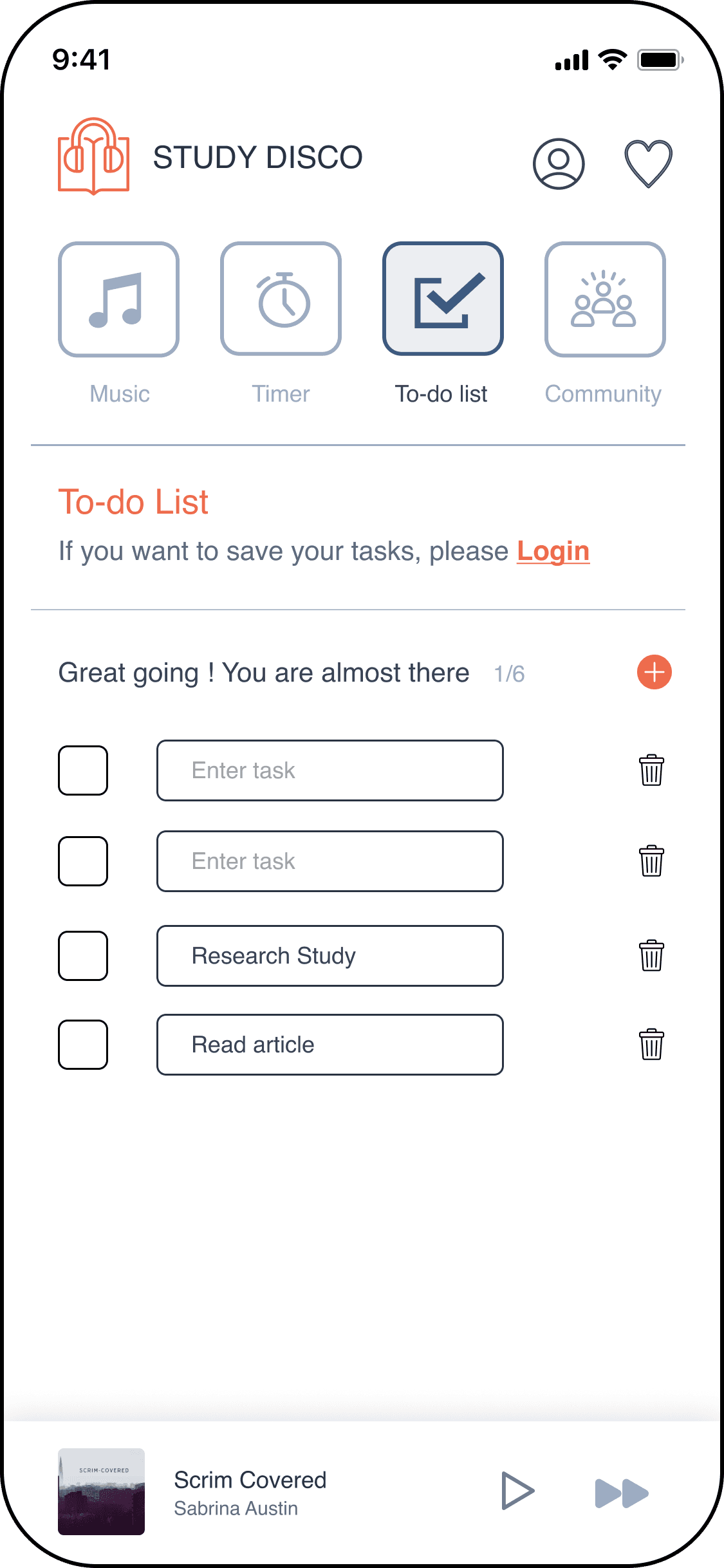
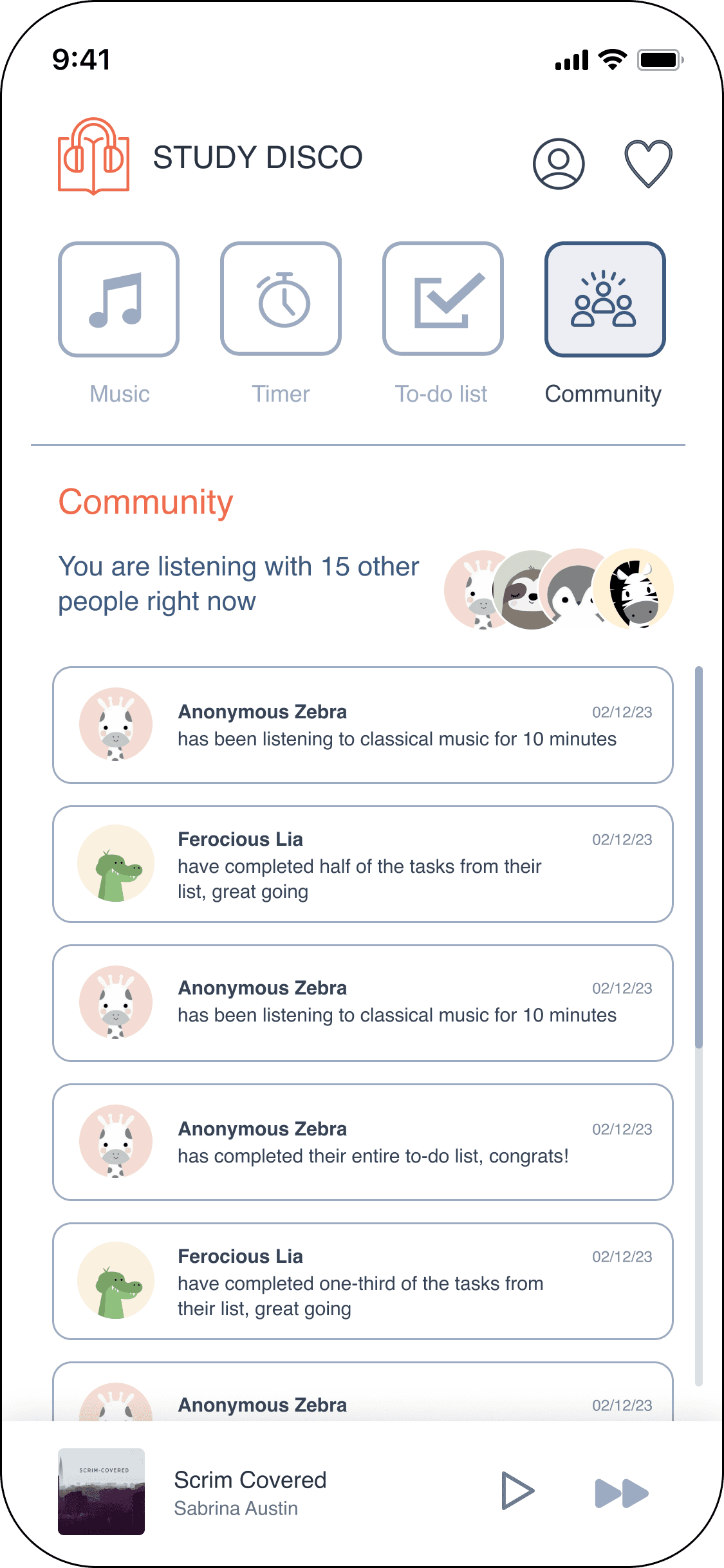
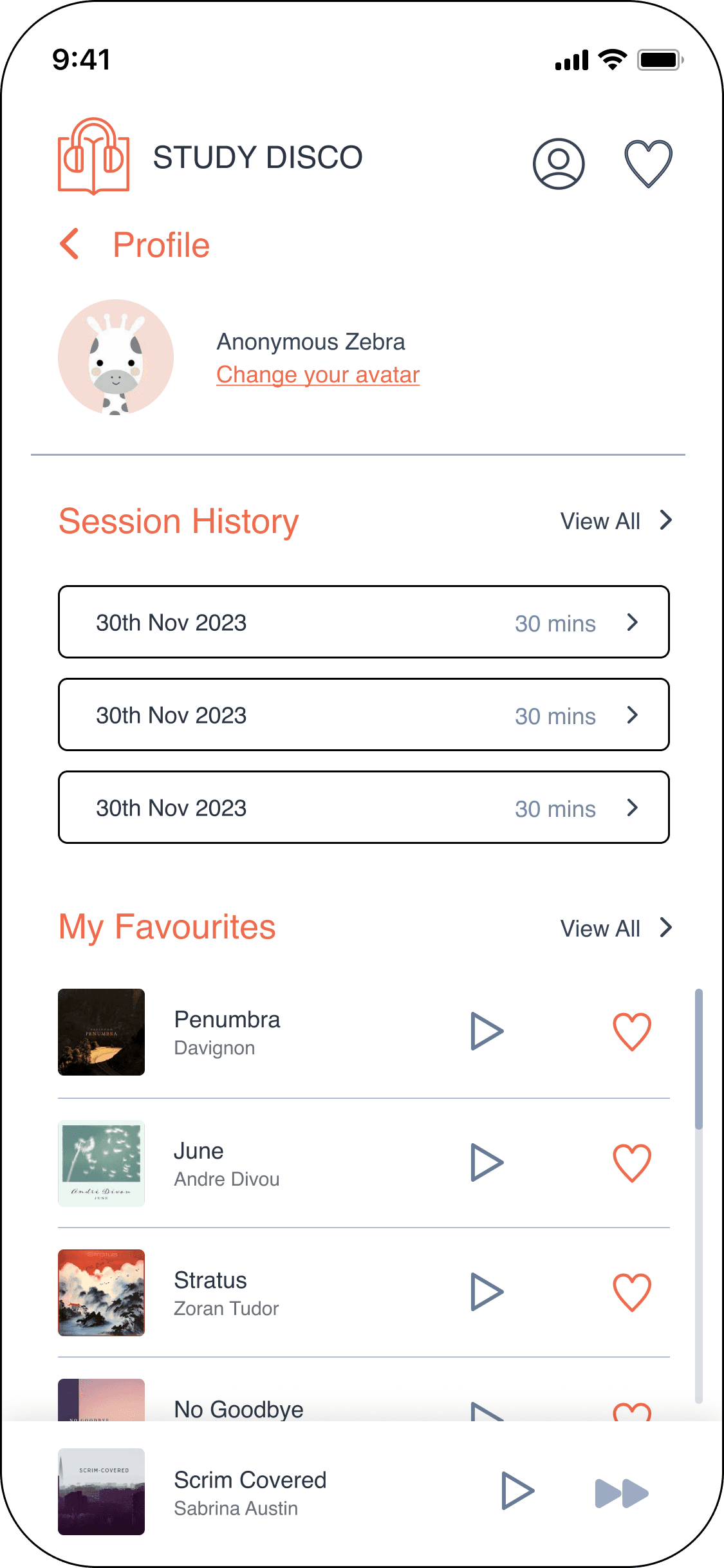
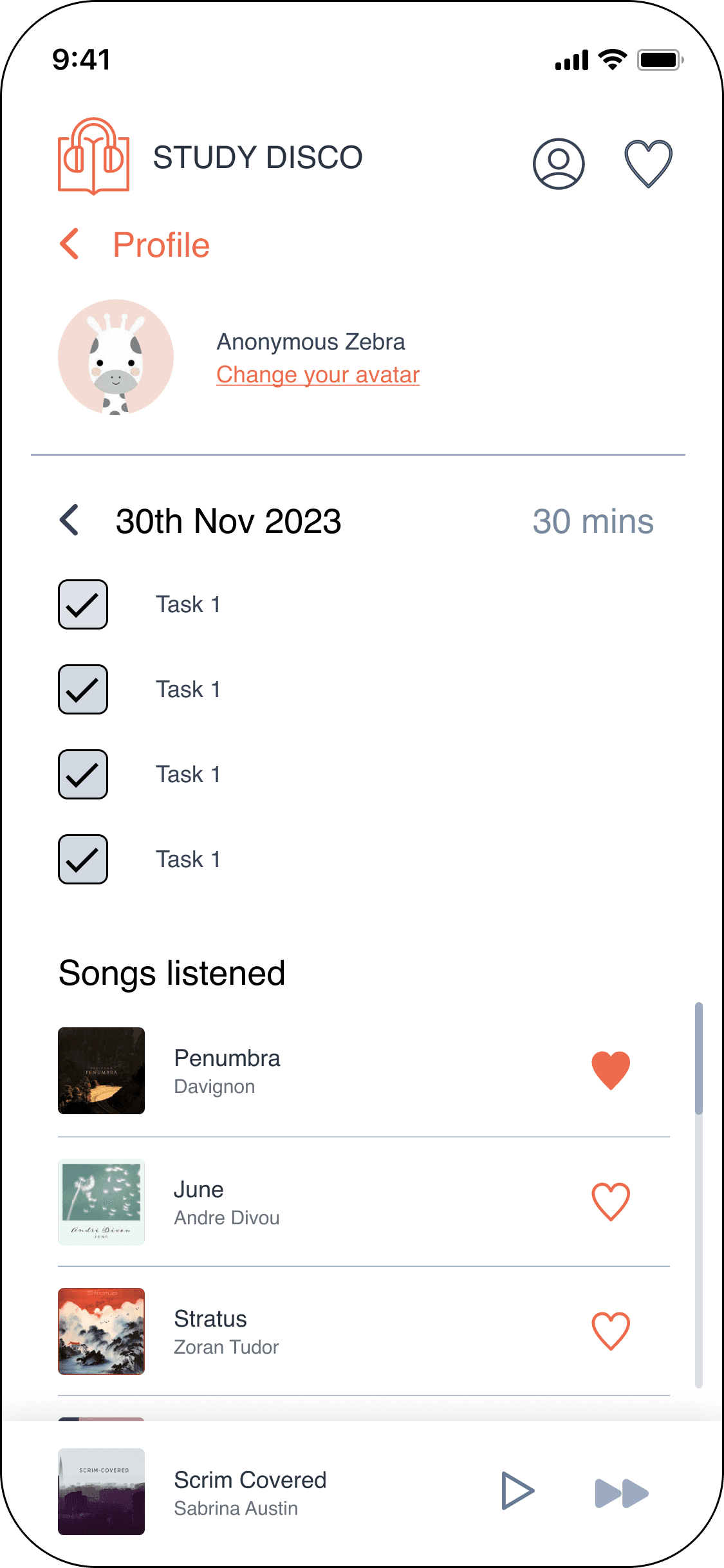
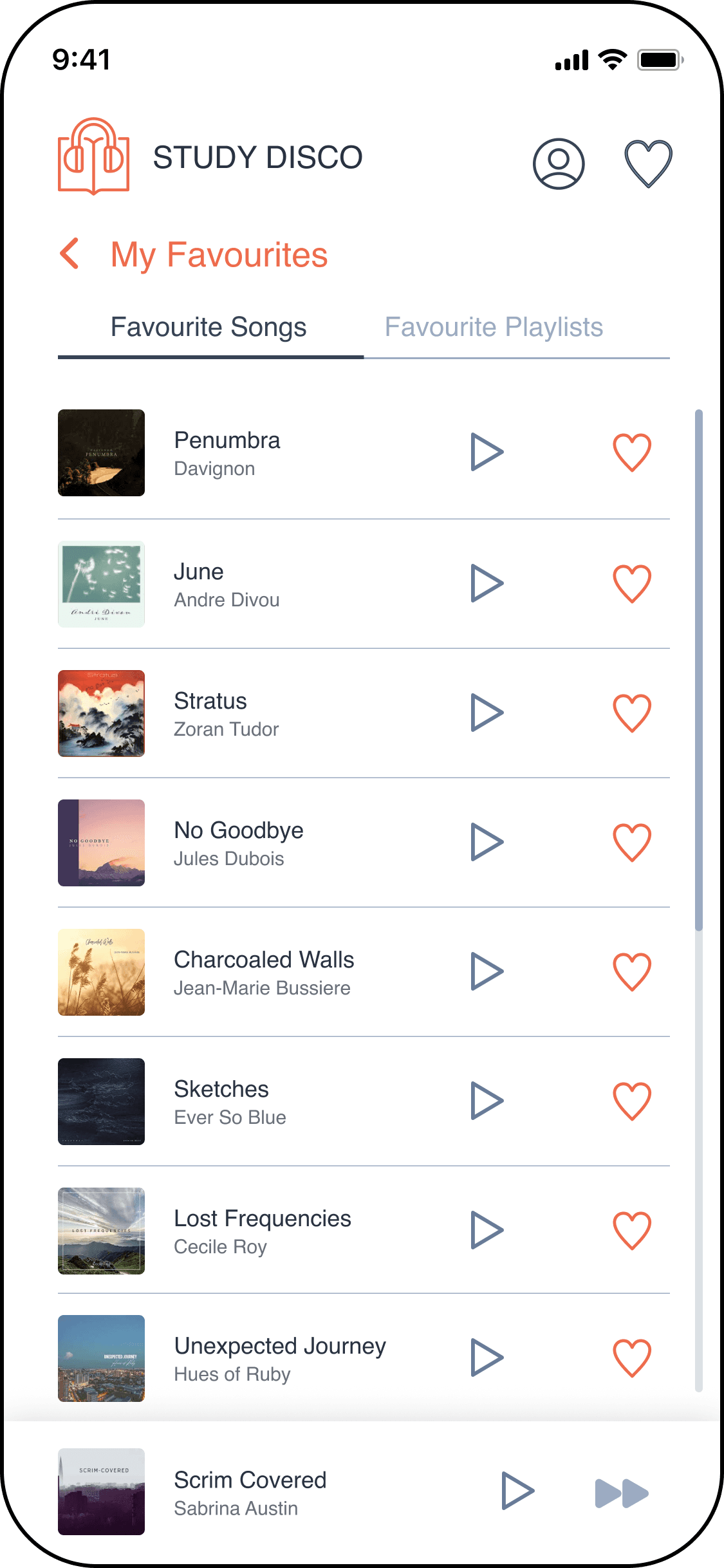
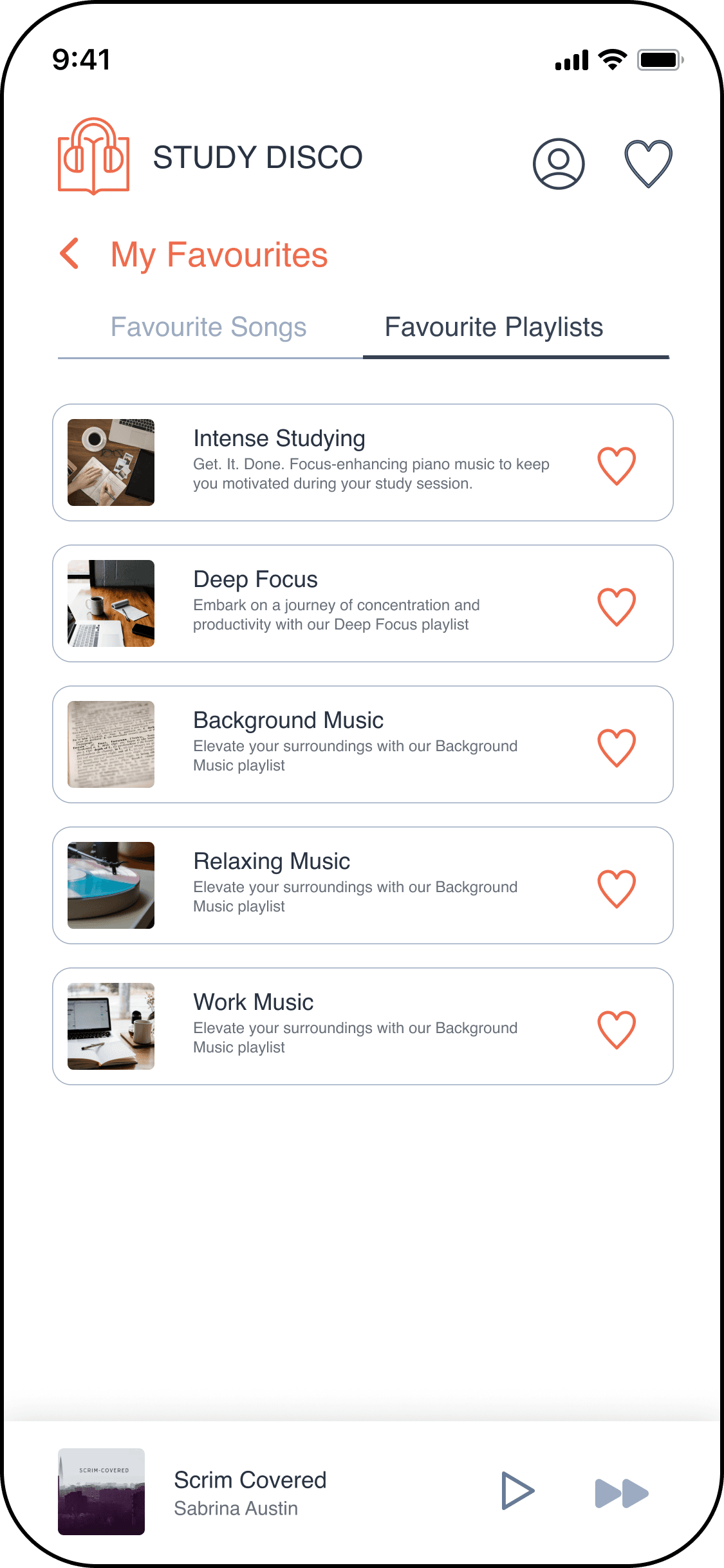
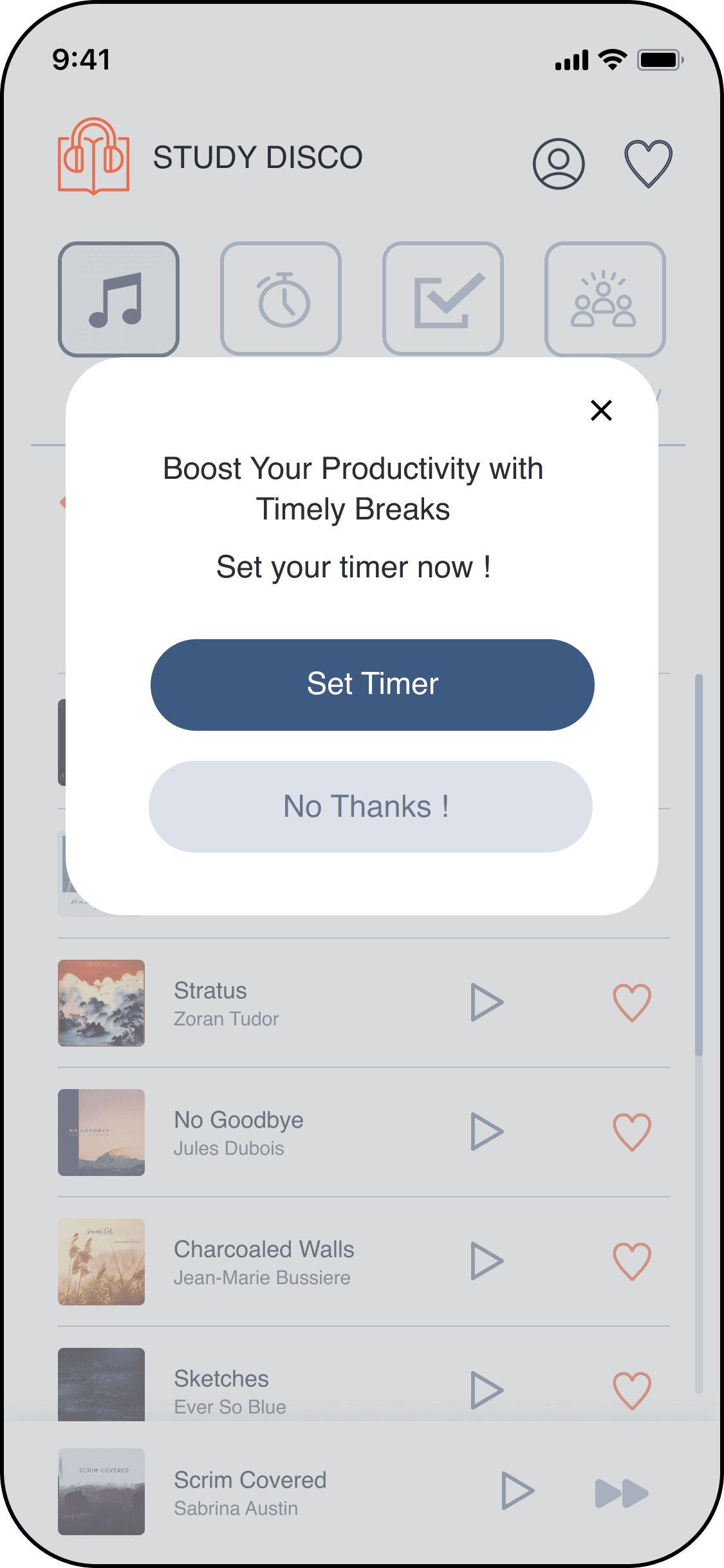
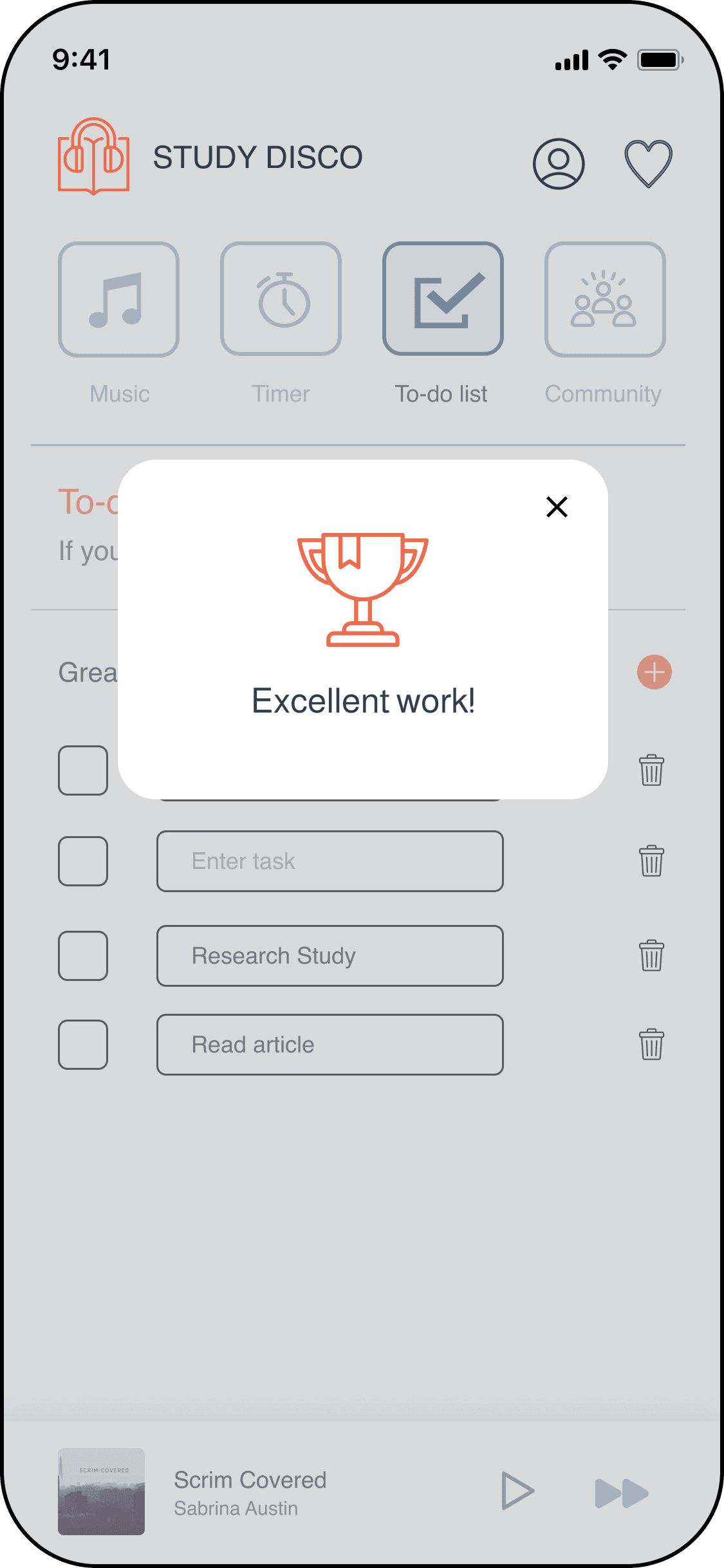
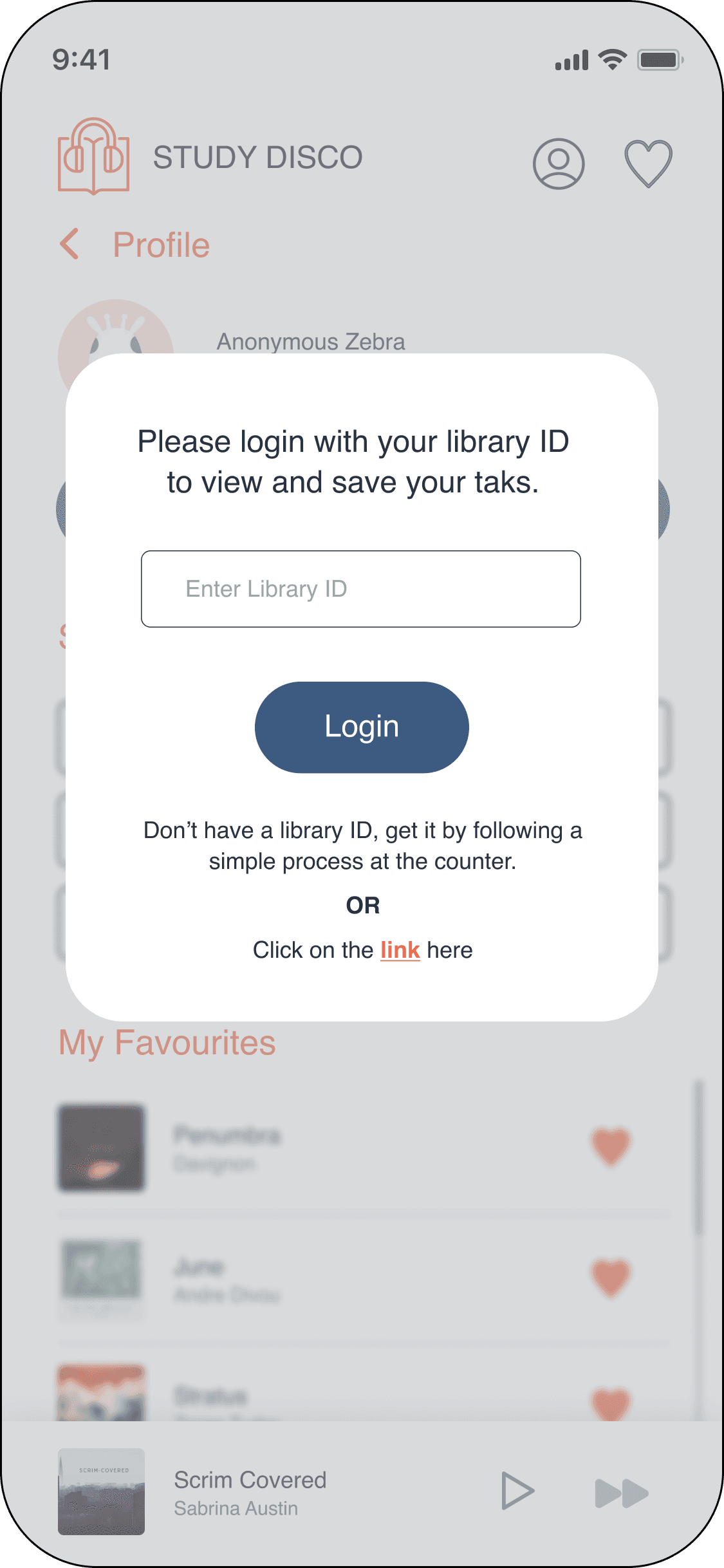
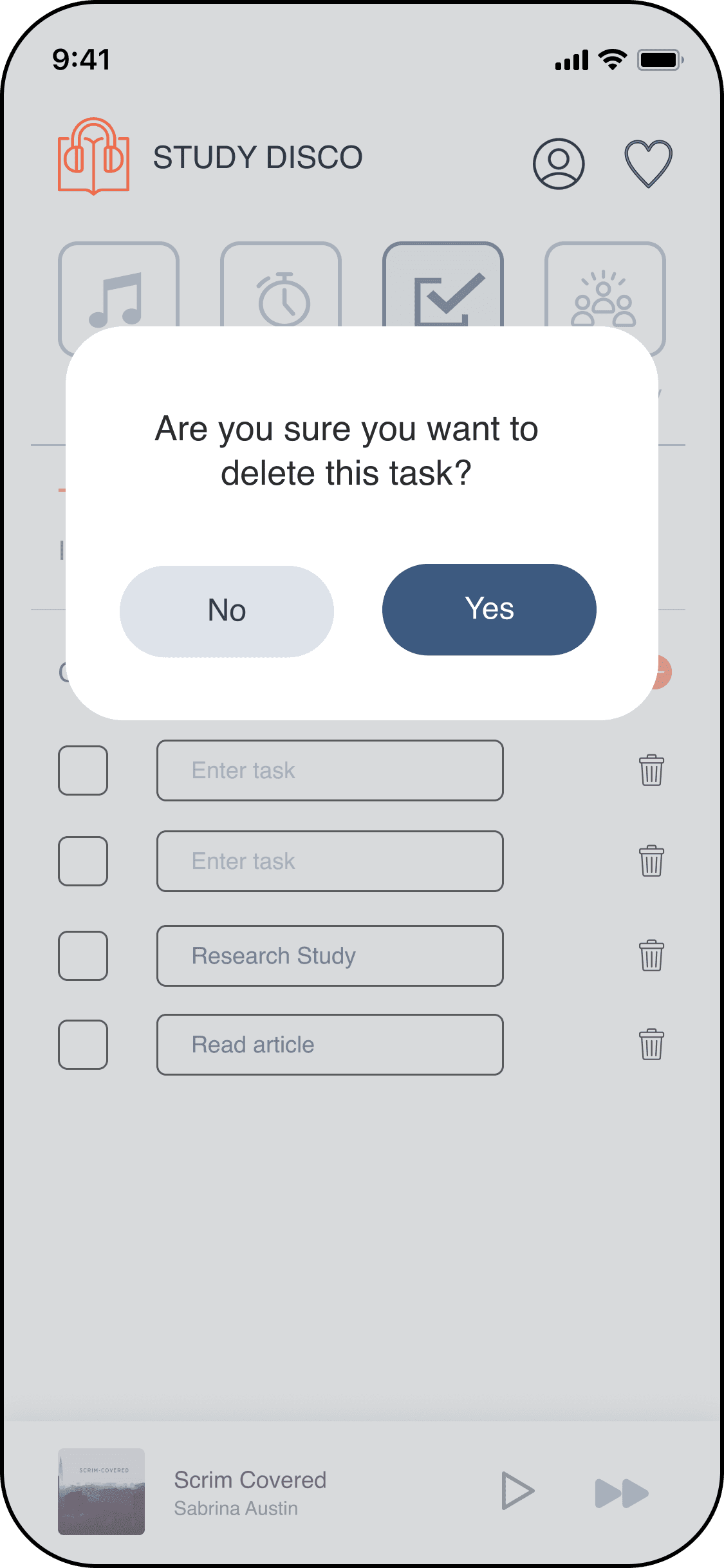
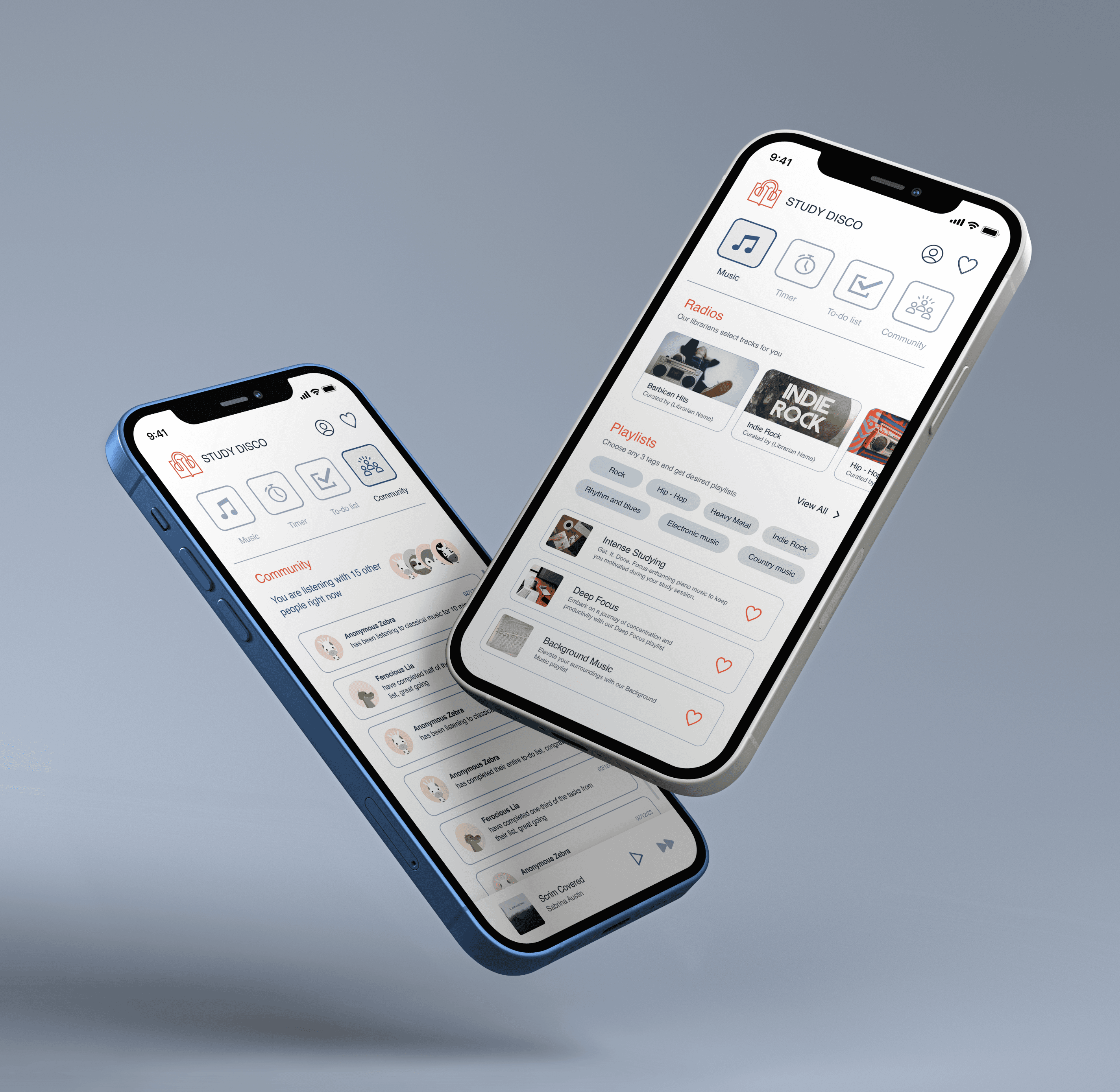
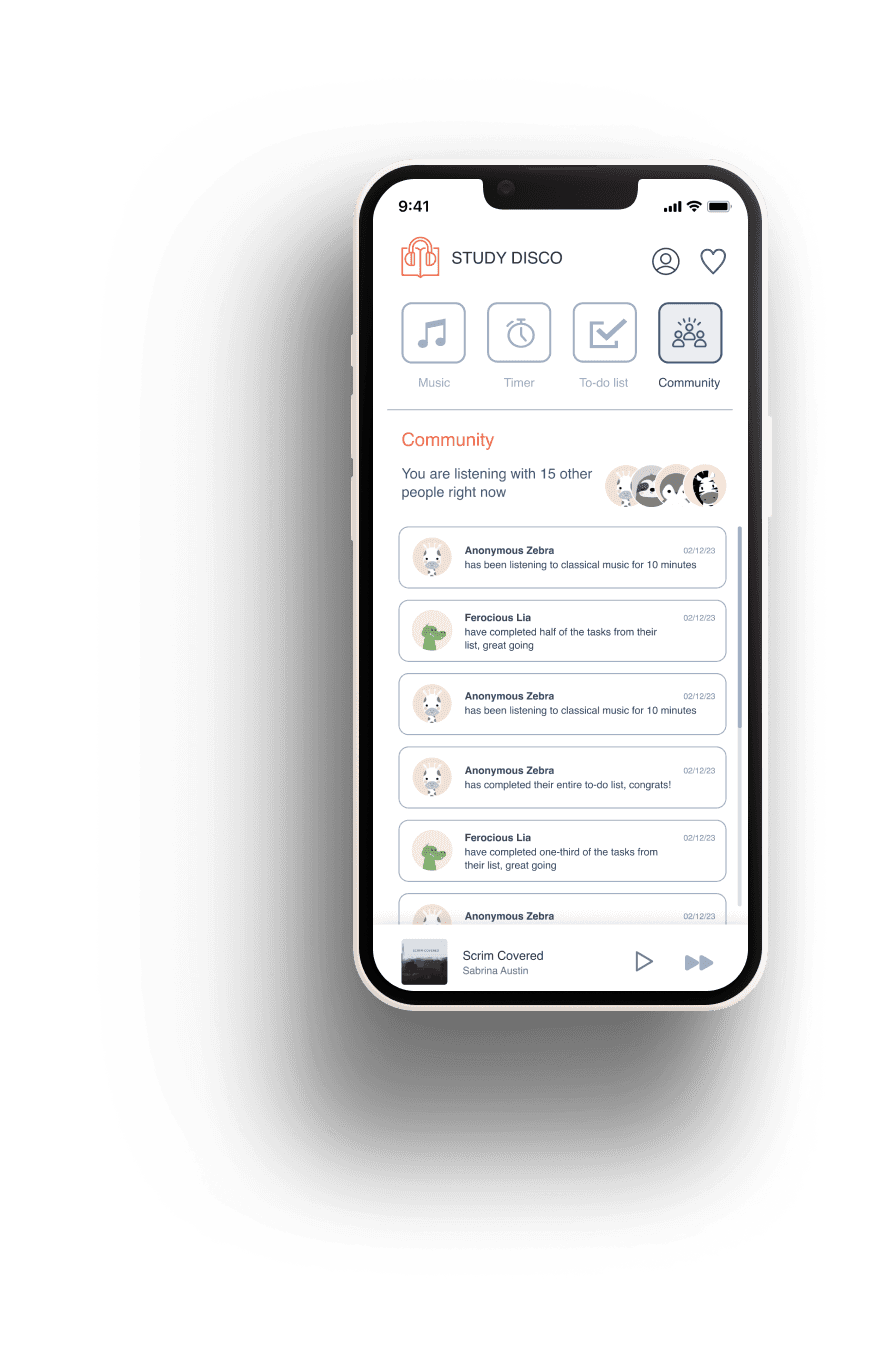
My contribution to the project majorly involved UI design. Based on the user research and user journey, I designed annotated wireframes and high fidelity mockups for the “Study Disco” app. The colour scheme and layout of the overall app was minimalist addressing the content of the brief.
My contribution to the project majorly involved UI design. Based on the user research and user journey, I designed annotated wireframes and high fidelity mockups for the “Study Disco” app. The colour scheme and layout of the overall app was minimalist addressing the content of the brief.
Evaluation
Evaluation
We evaluated our design by carrying out usability testing on our prototype. Our objective was to understand how intuitively new users could navigate and use the main functions of Study Disco. We provided participants with a scenario to get them to imagine they were a visitor to the Barbican library encountering Study Disco for the first time. Accompanied by the researcher, participants carried out a series of tasks that involved interacting with the prototype. They were asked to think aloud as they completed the task (Nielsen, 2012) and, at set intervals, to answer specific questions (e.g., describe what you see on the page, what do you think your options are?).
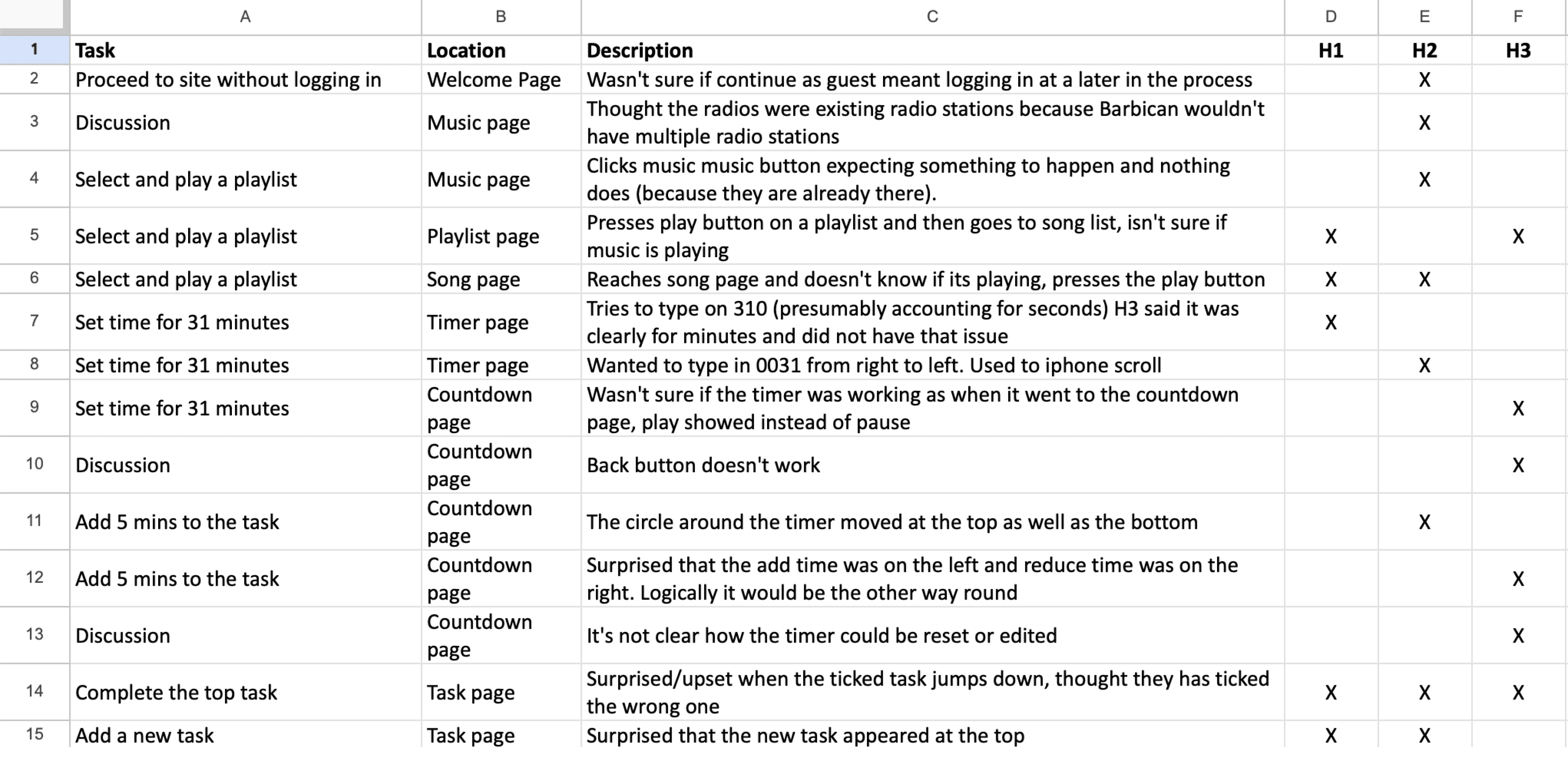
Each issue was logged in a spreadsheet that recorded what the issue was, where it occurred and how many participants experienced it. If an issue was encountered by multiple participants, we deemed it as prominent and discussed how we could adapt the design to resolve it. If an issue was encountered by one participant, we considered if it might arise with other users and developed a design solution for any issues with the potential to reoccur. Improvements were made to the final prototype before additional graphic elements were incorporated.
We evaluated our design by carrying out usability testing on our prototype. Our objective was to understand how intuitively new users could navigate and use the main functions of Study Disco. We provided participants with a scenario to get them to imagine they were a visitor to the Barbican library encountering Study Disco for the first time. Accompanied by the researcher, participants carried out a series of tasks that involved interacting with the prototype. They were asked to think aloud as they completed the task (Nielsen, 2012) and, at set intervals, to answer specific questions (e.g., describe what you see on the page, what do you think your options are?).
Each issue was logged in a spreadsheet that recorded what the issue was, where it occurred and how many participants experienced it. If an issue was encountered by multiple participants, we deemed it as prominent and discussed how we could adapt the design to resolve it. If an issue was encountered by one participant, we considered if it might arise with other users and developed a design solution for any issues with the potential to reoccur. Improvements were made to the final prototype before additional graphic elements were incorporated.
Reflection
Reflection
The team was well-balanced; each member brought different strengths and assets to the process, and the value of having a diverse skill set was evident. We had a supportive culture and encouraged each other to share ideas and give feedback. This was invaluable in the conceptual design stage when all ideas were welcomed. However, our brainstorming began at the end of a lengthy discussion on our user research. We may have generated more ideas if we split these sessions up with time in between to digest.
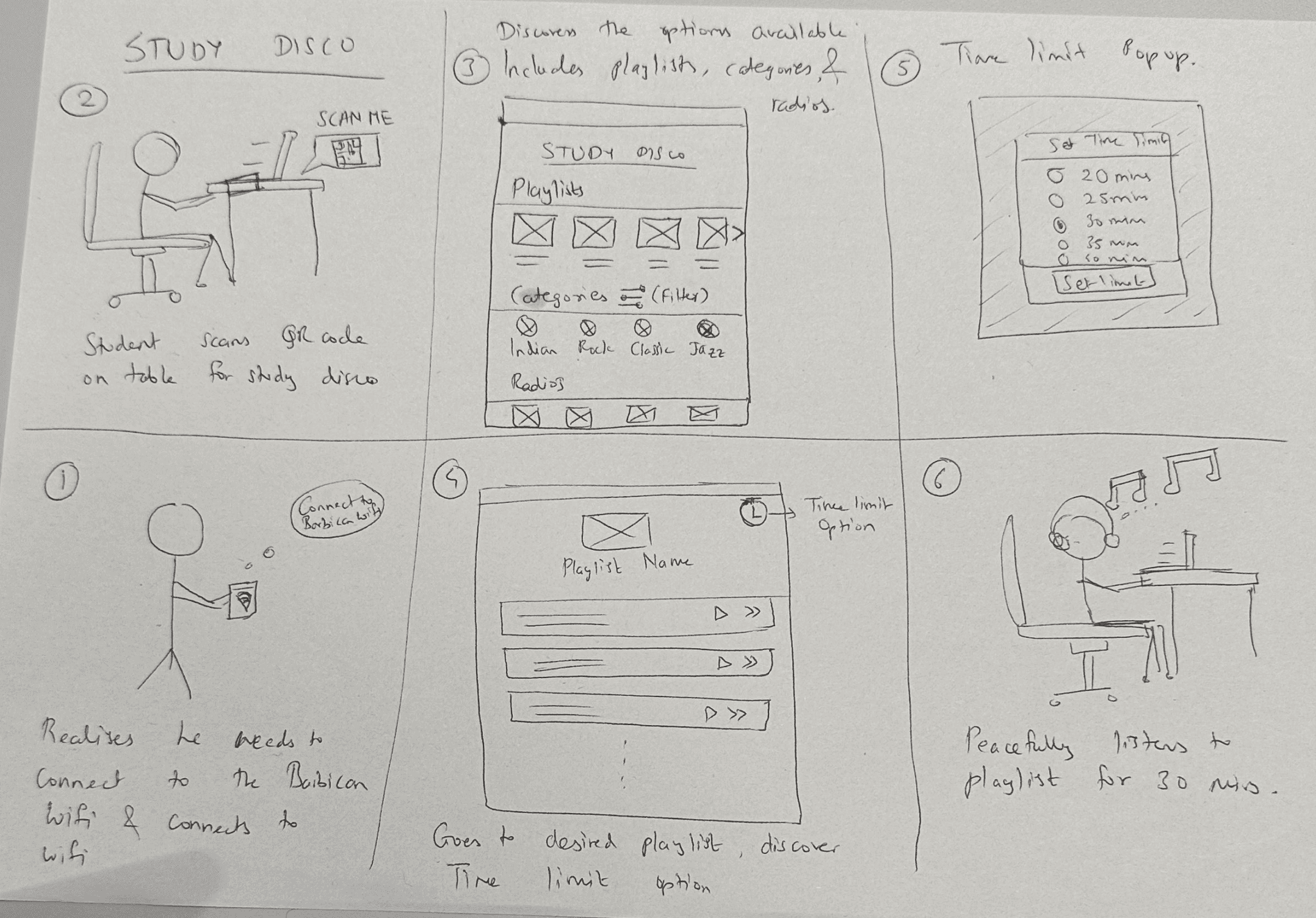
My contribution to the project included UX research and UI design (wireframes and final screens). We were careful to consider each idea and how they might work before eliminating them. We did this by sketching user journeys, storyboards, and wireframes. This allowed us to quickly explore each design avenue without forming an attachment to a single idea.
The team was well-balanced; each member brought different strengths and assets to the process, and the value of having a diverse skill set was evident. We had a supportive culture and encouraged each other to share ideas and give feedback. This was invaluable in the conceptual design stage when all ideas were welcomed. However, our brainstorming began at the end of a lengthy discussion on our user research. We may have generated more ideas if we split these sessions up with time in between to digest.
My contribution to the project included UX research and UI design (wireframes and final screens). We were careful to consider each idea and how they might work before eliminating them. We did this by sketching user journeys, storyboards, and wireframes. This allowed us to quickly explore each design avenue without forming an attachment to a single idea.
Study Disco
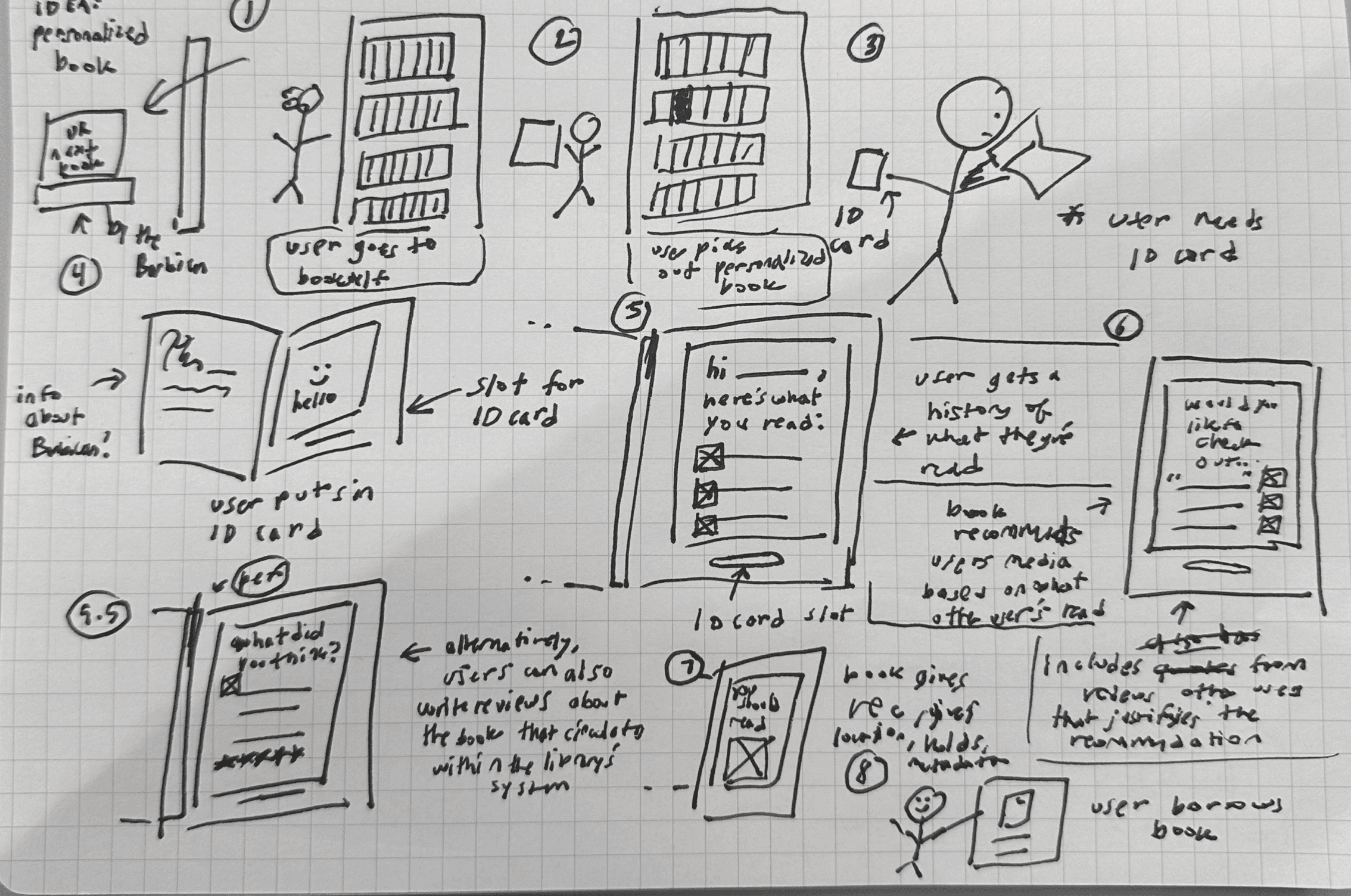
Personalised book recommendation
Storyboarding/ Sketches
Storyboarding/ Sketches